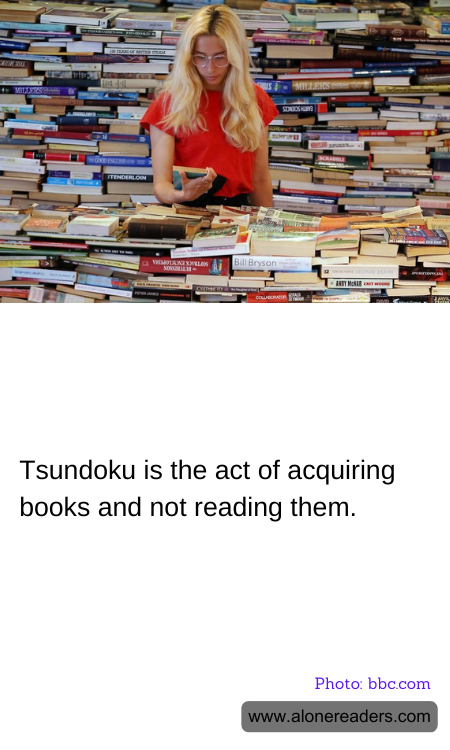
Tsundoku, a term that resonates with book lovers and collectors alike, traces its origins to Japan. The term combines elements from "tsunde" (to stack things), "oku" (to leave for a while), and "doku" (to read). It aptly describes the habit of piling up books with the intention of reading them later, only for the stack to grow taller over time. While on the surface it might seem like mere book hoarding, tsundoku has layers of meaning and impact on cultural and personal levels.
The phenomenon is far from new, with evidence suggesting that the practice has been around since the advent of modern print. However, the rise of consumer culture, online shopping, and easier access to literature have exacerbated the situation, making books both cheaper and more accessible than ever before. This ease of access allows book lovers to acquire more titles than they can possibly read, adding to their personal collections that are often admired as much as they are intended to be read.
Interestingly, tsundoku does not carry a negative connotation among those who practice it. Many view it as a comforting hobby, where each unopened book holds the promise of future exploration and adventure. The sight of unread books can be a visual milestone of one's intellectual curiosity — each spine representing a future journey of the mind. This optimistic accumulation can be seen as a form of intellectual aspiration, although it sometimes crosses into the realm of excessive consumption.
On the psychological front, tsundoku might reflect deeper personality traits such as curiosity, a thirst for knowledge, and perhaps a tinge of ambition. It can also reveal procrastination tendencies and the common human trait of overly optimistic time management. Each unopened book serves as a testament to the hopes and plans that stretch beyond current schedules, capacities, or lives.
From a practical standpoint, handling tsundoku involves striking a balance between acquiring new books and making time to read the ones already owned. Some book enthusiasts advocate for methods to curb excessive book buying, like reading multiple books concurrently or setting a purchasing limit until others have been read. Another approach is to organize books into categories based on priority, separating the "must-reads" from those that can wait, thus transforming the stack from a daunting pile into a well-curated collection.
Despite the challenges it presents, tsundoku is a unique cultural phenomenon that highlights the human love for books and the aspiration to become more enlightened, learned, and entertained. Whether seen as a comforting habit or a cluttered challenge, it undeniably reinforces the timeless value and allure of books in an age where digital media dominates. As cultural landscapes shift and reading habits evolve, tsundoku might persist as a nostalgic, persistent echo of the printed word's lasting appeal.
