More About This Card
Coffee's history is as rich and intriguing as its flavor, and nowhere is this more evident than in Turkey, where coffee was not just a beverage but a significant cultural institution. This brewed drink, introduced to the Ottoman Empire in the 15th century, quickly became entrenched in social customs, legal matters, and even marital dynamics.
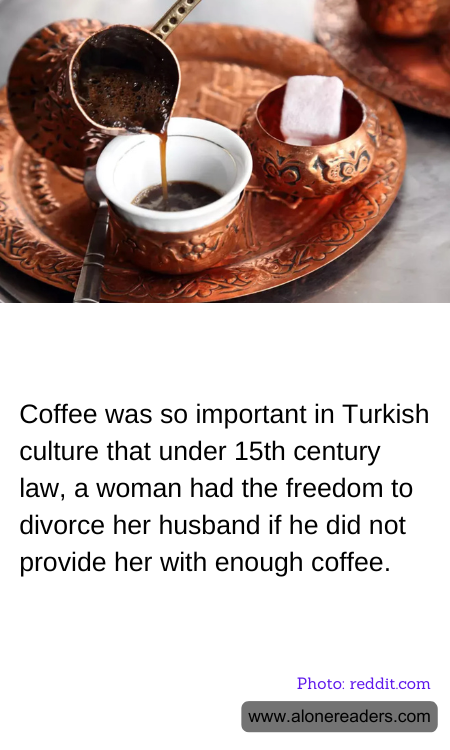
Turkish coffee's unique preparation method and its role in society distinguishes it from other global coffee traditions. It is finely ground, unfiltered, and cooked with sugar, often with spices such as cardamom, and served with the grounds in the cup. Its preparation and serving are ceremonial, involving specific utensils like the cezve or ibrik, a special pot made of brass or copper. Traditionally, preparing a perfect cup of Turkish coffee is seen as a symbol of hospitality and refinement.
The impact of coffee on Turkish society extended beyond mere consumption. It fostered social interaction and communal activity, evident from the proliferation of coffeehouses in Istanbul and beyond. These establishments became hubs of social gatherings, intellectual discussion, and even political debate, contributing significantly to the cultural and artistic life of the empire.
Remarkably, the importance of coffee in Turkish culture was such that it influenced the legal rights of women. In the 15th century, during an era when women's rights were more restricted, the Turkish law included a provision that allowed a woman to divorce her husband if he failed to provide her with enough coffee. This law underscores coffee's central role in daily life; it was deemed essential enough to influence legal documents and marital agreements. The right to divorce under these circumstances indicates both the social and personal significance attributed to coffee.
This aspect of Turkish divorce law highlights not only the cultural value of coffee but also the nuanced ways in which it played into broader social dynamics and legal considerations of the time. It provided women with a specific ground for divorce that, seemingly trivial today, reflected the era's social and marital expectations and the everyday importance of such a mundane yet cherished commodity.
Indeed, Turkish coffee remains a beloved tradition, celebrated for its ability to bring people together and symbolize a rich cultural heritage. Its historical journey from a simple beverage to an influential cultural phenomenon showcases the dynamic ways in which food and drink can play pivotal roles in social, legal, and personal realms.