More About This Card
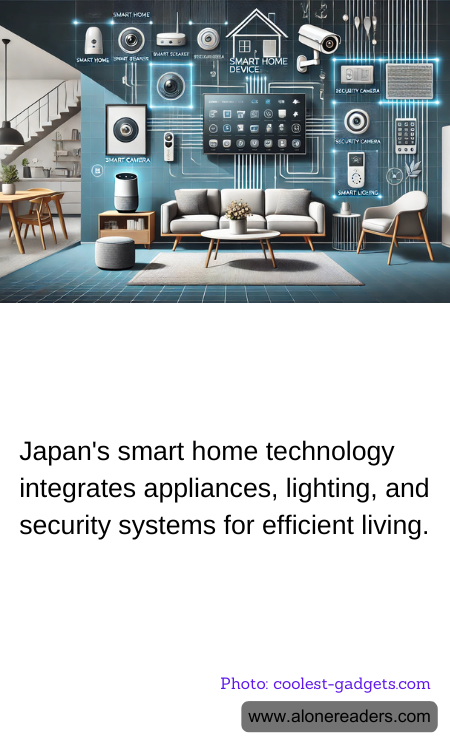
In Japan, the integration of appliances, lighting, and security systems through smart home technology is redefining the concept of efficient living. Known for its technological prowess, Japan leads in creating homes that not only cater to comfort and convenience but also to energy efficiency and security.
Smart home technology in Japan incorporates advanced systems that allow residents to manage their home environments with ease. For example, appliances such as refrigerators, washing machines, and ovens can be controlled remotely using smartphones or tablets. This capability is not limited to simple on/off controls; it extends to adjusting settings, monitoring energy consumption, and even receiving notifications for maintenance needs or when a task is completed.
Lighting systems in these smart homes are equally sophisticated. They can adjust automatically based on the time of day or the presence of people in the room, thus optimizing energy use and providing comfort. Some systems learn from the occupants' behavior and adjust the lighting to suit their preferences, enhancing the living experience while reducing unnecessary power usage.
Security is another critical aspect that has been significantly bolstered by smart technology in Japanese homes. Advanced systems include surveillance cameras that can be accessed remotely, alarms that notify homeowners and local authorities of potential security breaches, and door locks that can be controlled from anywhere in the world. These features not only ensure safety but also provide peace of mind to the occupants.
The integration of these systems through a central control panel or via mobile applications adds another layer of efficiency. Homeowners can oversee all aspects of their home's functionality from one place, whether they are at home or away. This integration often includes energy management tools that help residents monitor their electric and water usage, allowing them to reduce their carbon footprint and save on utility bills.
Moreover, Japan's commitment to innovation in smart home technology aligns with its broader goals of energy conservation and sustainability. The use of IoT (Internet of Things) technologies in homes is part of a national effort to become more energy independent and environmentally responsible. This drive is particularly relevant in the face of urbanization and aging population challenges that Japan faces, making smart homes not just a convenience but a necessity.
With continuous advancements and increasing adoption, the smart home technology in Japan is setting global standards for a future where technology and living spaces are seamlessly integrated for a sustainable and efficient lifestyle. Responding to both environmental concerns and the everyday needs of its people, Japan is crafting a future that could well serve as a blueprint for the rest of the world in smart living technology.