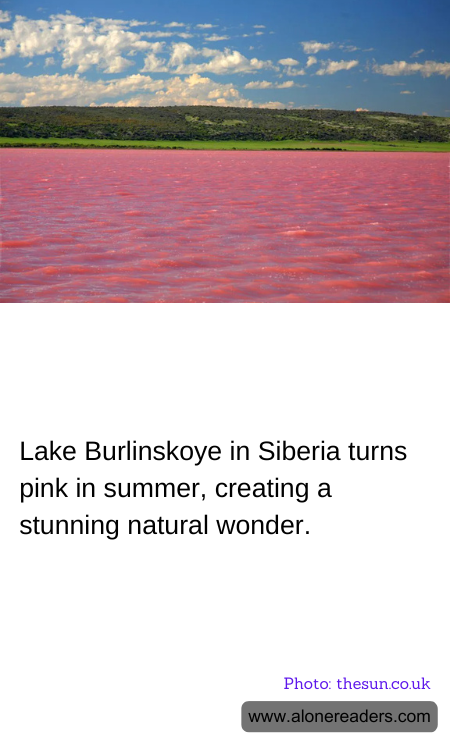
Lake Burlinskoye, located in Siberia, transforms into a breathtaking spectacle every summer as its waters turn a brilliant shade of pink. This striking transformation is due to the proliferation of a specific type of algae that thrives in the lake's salty conditions. These algae, known as Dunaliella salina, are halophiles, organisms that not only survive but flourish in high-salinity environments. As the summer progresses and the temperature rises, the concentration of salt in the water increases due to evaporation, creating an ideal environment for these algae.
The colorful display is not just a feast for the eyes; it also offers a fascinating glimpse into the adaptability of life. Dunaliella salina produces large amounts of carotenoids, including beta-carotene, under stress conditions — such as high salinity — which helps protect the algae and contributes to the lake’s vibrant hue. These carotenoids are responsible for the red and orange colors observed in other renowned environments, such as the Dead Sea.
The phenomenon attracts tourists, photographers, and nature enthusiasts from around the world, all eager to witness this unique natural display. Moreover, Lake Burlinskoye serves as an important economic resource. The pink waters are believed to have therapeutic properties, and the mud from the lake is sought after for its purported health benefits, including improving skin conditions and other therapeutic uses.
Apart from its visual beauty and economic benefits, Lake Burlinskoye's pink transformation plays a crucial role in local biodiversity. It provides a specialized habitat for a variety of organisms that are specifically adapted to saline conditions. This includes not only the Dunaliella algae but also brine shrimp, which in turn attract various bird species, particularly during migration periods.
Despite its allure, Lake Burlinskoye faces environmental challenges, primarily from the potential threats of climate change and human activities that could alter its salinity levels and water volume. Preserving this natural wonder requires careful management and conservation efforts to ensure that future generations can continue to enjoy and learn from this extraordinary ecological phenomenon.
