More About This Card
In the Netherlands, the recognition of sexual expression as a fundamental aspect of human life extends to all citizens, including those with disabilities. This inclusive approach reflects the country's liberal and progressive stance on human rights and personal freedom. The Dutch government acknowledges that physical limitations should not prevent individuals from experiencing sexual intimacy and relationships, which are integral to many people's happiness and well-being.
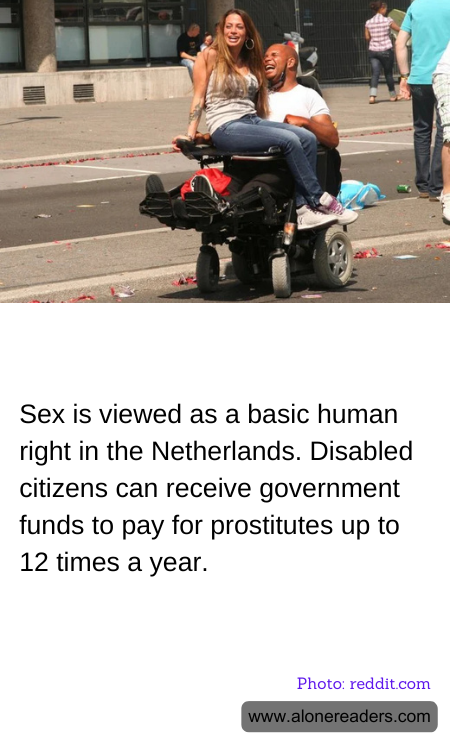
As part of this policy, disabled citizens in the Netherlands are entitled to certain unique benefits aimed at facilitating sexual health and expression. One of the most striking aspects of this policy is that the government can provide funding for disabled individuals to access sexual services. This can include subsidies to pay for prostitutes up to 12 times a year. This initiative has been a topic of both admiration and controversy around the world, raising discussions about the ethical, moral, and social implications of such a policy.
The rationale behind the funding is centered on the idea that sexual expression should not be exclusive but rather accessible to all, including those who might otherwise be unable to engage in sexual activities due to their disabilities. By providing financial assistance, the Dutch government seeks to ensure that disability does not lead to social isolation and that all citizens have the opportunity to pursue a fulfilling personal life.
The system is set up with discretion and confidentiality, offering disabled persons the freedom to explore their sexuality without the stigma or limitations that might otherwise arise. Sex workers participating in this program are specially trained to handle various disabilities, ensuring a safe and understanding environment for their clients. Meanwhile, these practices are strictly regulated, with systems in place to protect both parties involved.
This policy sparks a broad discussion about the normalization of sexual needs and how societies provide for those needs across all spectrums of the population. While the Dutch model might not be suitable for every country, it certainly prompts a reevaluation of how modern societies view disability, sexuality, and rights, making a strong statement about inclusivity and human dignity.