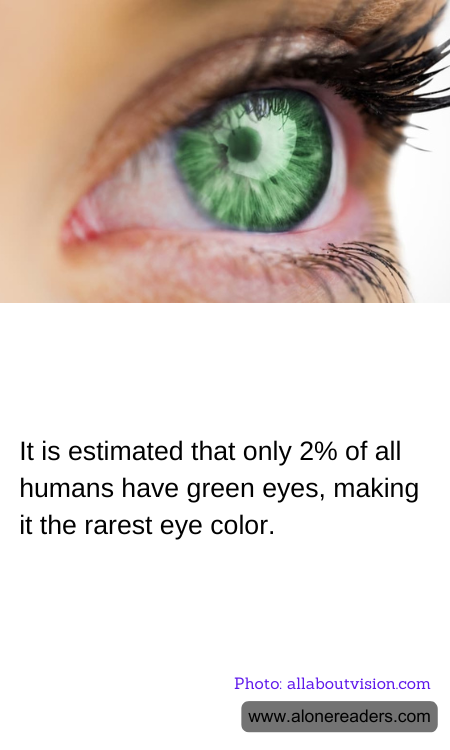
Green eyes have always held a kind of mystique due to their rarity and the intriguing genetics behind them. This unique eye color is indeed the rarest, found in just 2% of the world's population. It is most commonly seen in individuals of European descent, particularly those from Celtic and Germanic backgrounds, where the prevalence of green eyes is slightly higher than in other parts of the world.
The distinct green color is produced not by a green pigment, but by a combination of light brown pigmentation and the blue tone dictated by Rayleigh scattering, which is also responsible for the blue appearance of the sky. The specific shade of green can vary considerably and is determined by the amount and type of pigments in the iris and how these pigments scatter the light.
Genetically, the development of green eyes involves the interaction of multiple genes, with the primary contributors being the OCA2 and HERC2 genes located on chromosome 15. These genes influence the level of melanin in the iris, which in turn affects eye color. Green eyes result from a lower amount of melanin compared to brown, but more than blue or gray.
In terms of evolution, the variation in eye color is believed to have occurred as a result of adaptive advantages. In regions with lower light levels, lighter eye colors, which allow more light into the eye, may have provided an evolutionary benefit; however, the specific reasons for the development of green eyes over other colors are not fully understood. This rarity adds to the allure and fascination surrounding green eyes.
Moreover, the allure of green eyes is often accentuated in culture and literature, where they are frequently associated with mystery, allure, and even supernatural abilities. This cultural representation adds layers to their charm and rarity, making individuals with green eyes often the subject of admiration and curiosity.
In conclusion, green eyes are a captivating genetic trait, stemming from a complex interplay of genetic factors and having a unique place in both biological evolution and cultural representation. Their rarity only enhances their mystique and allure, making them a perennial point of fascination in discussions about human diversity and beauty.
