More About This Card
In New Zealand, the naming of a child is more than a personal choice; it is also a matter of legal consideration. The Department of Internal Affairs in New Zealand takes an active role in approving the names that can be legally given to children, ensuring they adhere to certain criteria meant to protect the child from potential ridicule or misunderstanding. Over the years, this has led to the prohibition of several names that are deemed inappropriate or offensive within the context of New Zealand’s diverse cultural landscape.
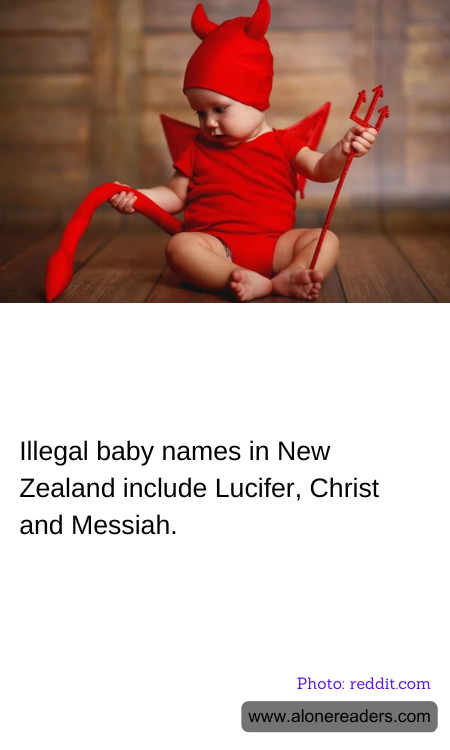
Among the names that have been rejected in New Zealand are "Lucifer," "Christ," and "Messiah." These names carry significant religious connotations and are considered by authorities to have the potential to cause discomfort or misunderstanding both for the bearer and the public at large. The name "Lucifer," often recognized as a name for the devil in Christian theology, is barred for its negative religious implications. Similarly, "Christ" and "Messiah" are central figures in Christian theology, with "Messiah" also being a significant term in Islam and other Abrahamic faiths. Naming a child "Christ" or "Messiah" could be seen as highly inappropriate and imposing a considerable burden on the bearer in terms of societal expectations and interactions.
The guidelines in New Zealand stipulate that names should not cause offense to a reasonable person, should not be unreasonably long, and should not resemble an official title or rank. Names that fail these tests are often rejected. For instance, names like "King," "Prince," and "Princess" fall under the category of titles that could mislead in their suggestion of nobility.
Furthermore, New Zealand’s approach to regulating names underscores the belief that names play a crucial role in an individual's identity and social interactions. By setting boundaries, the government aims to prevent future complications for individuals in their social, educational, and professional environments. Parents attempting to name their children with such names are often asked to reconsider their choice, for the sake of the child’s own well-being in the society.
This policy of vetting baby names is not unique to New Zealand but is a practice seen in other countries with their own sets of rules according to cultural and social norms. In each case, the underlying motivation remains consistent: protecting the child from potential harm and ensuring their well-being as they integrate into society. In adhering to these rules, New Zealand underscores its commitment to the thoughtful and considerate upbringing of its youngest citizens, tailored to the broader social context in which they will grow and develop.