More About This Card
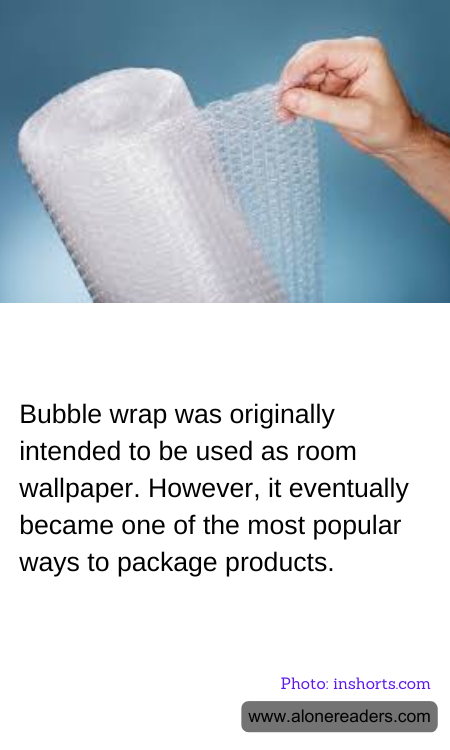
Bubble wrap, that ubiquitous material known for its popping bubbles, initially had a rather unconventional intended use—it was designed to be used as wallpaper. In 1957, engineers Alfred Fielding and Marc Chavannes were attempting to create a new type of wall covering by sealing two shower curtains together, thereby trapping air bubbles between them. Their idea was to market this new creation as a textured wallpaper that would provide aesthetic and insulation properties. However, the wallpaper idea never took off as they had hoped.
Realizing the potential of their invention as a packaging material didn't happen immediately. It was only a few years later that the material's usefulness in protecting products during shipping was recognized. The lightweight, cushioning characteristics of the air-filled bubbles provided an ideal solution for packaging, protecting items from shock and vibration during transit.
In 1960, IBM was shipping their first mass-produced computers—the 1401—and needed a reliable packaging solution to protect these sensitive machines. Bubble wrap proved to be perfect for this role, marking the beginning of its widespread use in the packaging industry. This serendipitous repurposing demonstrated the material's potential to safeguard a variety of delicate items, ranging from electronics to glassware.
Today, bubble wrap is a critical component in the shipping and packaging industries worldwide. Its design offers not only protection but also cost effectiveness and versatility. Over the years, variations of bubble wrap have been developed, including those with larger or smaller bubbles and with anti-static properties for protecting electronic components. Beyond its practical applications, bubble wrap has also found a place in pop culture, often associated with stress relief and the strangely satisfying sensation of popping its bubbles.
The journey of bubble wrap from a failed wallpaper idea to a packaging essential is a testament to innovative thinking and adaptability. The story serves as an inspiring example of how products can fail in their original purpose yet find great success in unexpected applications.