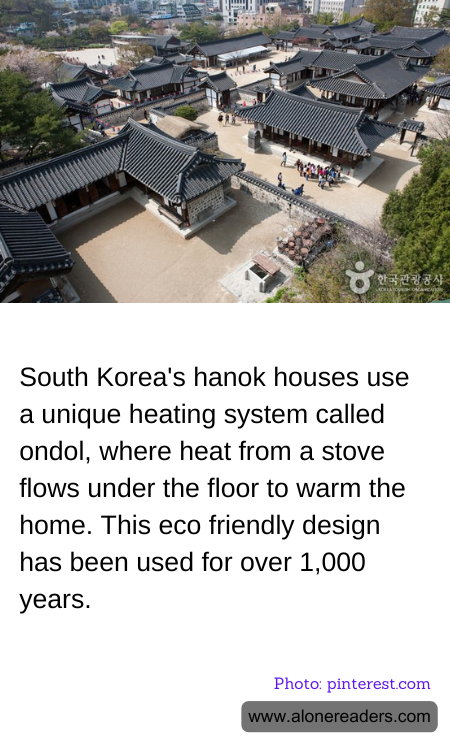
South Korea's traditional hanok houses showcase a fascinating blend of cultural heritage and practical design, particularly evident in their unique heating system known as ondol. This system, utilized for over a millennium, ingeniously channels the warmth created by a stove, circulating it underneath the floor to heat the entire house. This method not merely provides warmth but also symbolizes Korea's early innovations in sustainable living practices.
The ondol system primarily consists of a large cooking stove, typically located on one side of the house. As this stove is stoked to cook food or heat water, the heat generated travels through a network of smoke passages built underneath the floor. These passages, comprised of flat stones and carefully planned channels, distribute the heat uniformly across the foundation of the house, thereby warming the living spaces effectively during the harsh cold weather. The floor's structure itself aids in retaining this heat for extended periods, ensuring a stable and comfortable indoor temperature even after the stove is extinguished.
Not only does ondol provide an efficient heating solution, but it also promotes an eco-friendly approach towards living spaces. The system maximizes the output of heat from the stove, ensuring minimal wastage while simultaneously reducing the need for additional heating sources. In the modern era, this ancient yet advanced technology inspires contemporary architectural practices around the world. The principles underlying ondol are being integrated into modern floor heating systems, proving that sustainable solutions from past civilizations can be adapted for eco-conscious energy use today.
Moreover, hanok houses resonate with philosophical elements, reflecting the harmony between humans and nature. The use of natural materials like timber, stone, and clay in the construction of these houses, alongside ondol, promotes a low-impact, sustainable living style. Living in a hanok is about more than just enjoying the benefits of a naturally heated floor; it's also about embracing a lifestyle that prioritizes ecological balance and respect for the environment. This deeply rooted respect for nature and sustainable development illustrates how ancient traditions can provide valuable insights and methods applicable to solving modern global challenges.
