More About This Card
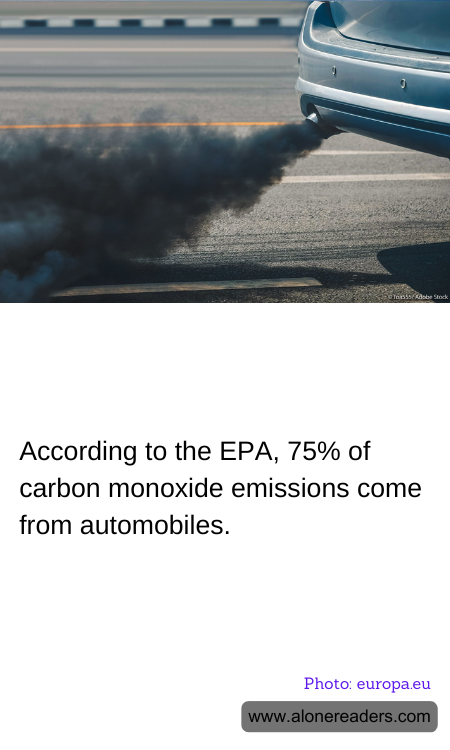
Carbon monoxide (CO) is a colorless, odorless, and highly toxic gas that poses a significant threat to public health, particularly in urban areas. According to the US Environmental Protection Agency (EPA), a staggering 75% of carbon monoxide emissions in the United States originate from automobiles. This statistic highlights the pivotal role that road traffic plays in air pollution and underscores the urgent need for vehicular emissions control.
Automobiles emit carbon monoxide primarily through the combustion of fossil fuels such as gasoline and diesel. Incomplete combustion occurs when there is insufficient oxygen to allow the fuel to react completely with oxygen during the combustion process, leading to the production of carbon monoxide. The prevalence of older vehicles and those with poorly maintained engines tends to exacerbate this issue, as these vehicles often have less efficient combustion processes.
The health risks associated with carbon monoxide are severe, as CO can inhibit the blood's ability to carry oxygen to body tissues and vital organs like the heart and brain. At high levels, CO exposure can be fatal, and at lower levels, it can still cause serious health issues such as chest pain, fatigue, impaired vision, and reduced brain function. These health effects are particularly concerning in cities with heavy traffic congestion, where people are consistently exposed to high levels of carbon monoxide.
Addressing this environmental challenge requires a multifaceted approach. Regulations and standards aimed at reducing vehicle emissions have been implemented in many areas. These include mandating the use of cleaner fuels, enforcing stricter emission standards for new vehicles, and encouraging the regular maintenance of vehicles to ensure optimal performance of emission control systems. Additionally, promoting public transportation and other sustainable modes of transport, such as biking and walking, can significantly reduce the number of vehicles on the road, and hence, the overall emissions of carbon monoxide.
Moreover, advancements in automotive technology play a crucial role in mitigating this issue. The development and increased adoption of electric vehicles (EVs), which produce no direct carbon monoxide emissions, are promising steps towards a cleaner automotive future.
In conclusion, while automobiles are a principal source of carbon monoxide emissions, they are also an area where significant progress can be made by implementing stringent regulatory measures, promoting sustainable transportation alternatives, and embracing technological innovations in the automotive industry. The reduction of carbon monoxide emissions from automobiles not only plays a critical role in improving air quality but also protects public health, making it an essential endeavor for environmental and health agencies globally.