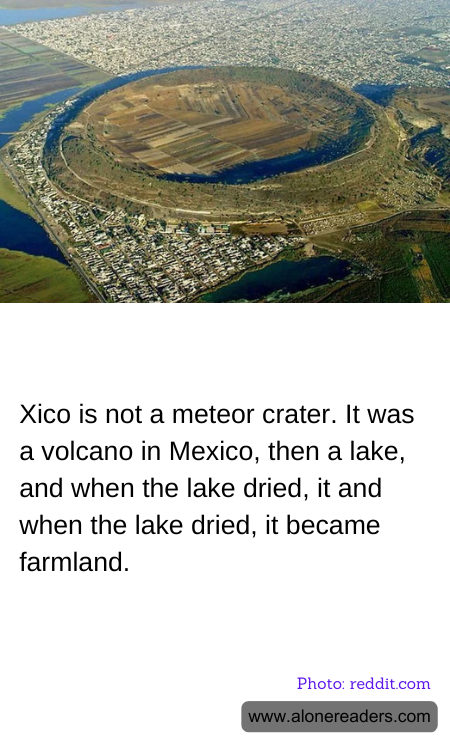
Xico, located in Mexico, has long intrigued both scholars and visitors alike, but contrary to some popular beliefs, it is not a meteor crater. Historical evidence and geological studies have provided insights, painting a picture of Xico's fascinating transformation over hundreds, if not thousands of years. Originally, this geographical feature began as a volcano. The volcanic activity foundational to this area contributed to its unique geological structure, marked by the distinctive features seen today.
Over time, as volcanic activities subsided, the crater left by the extinct volcano naturally collected water, gradually becoming a lake. This lake existed for an extended period, influencing the local ecosystem and providing a habitat for various species. It also became a critical resource for the surrounding communities, playing a vital role in local agricultural practices and daily living necessities.
However, as climatic conditions changed, the lake eventually dried up. The absence of water transformed the crater’s lake into a fertile basin, ideal for agriculture. The rich volcanic soil, known for its high fertility due to the mineral deposits from the volcanic lava, made it exceedingly suitable for cultivation. As a result, the crater's floor, which once cradled water, transitioned into farmland. This shift allowed for an agricultural development that has sustained the local population economically and culturally.
Today, the history of Xico’s transformation from a volcano to a lake and then to farmland stands as a testament to the dynamic and ever-evolving nature of Earth’s geography. It showcases how natural forces and environmental changes continually shape and reshape the surface of our planet, giving rise to new and transformed landscapes. This intriguing evolutionary path not only highlights the adaptability of human settlements to their environment but also underscores the significant impact of geological processes in shaping human history and civilization.
