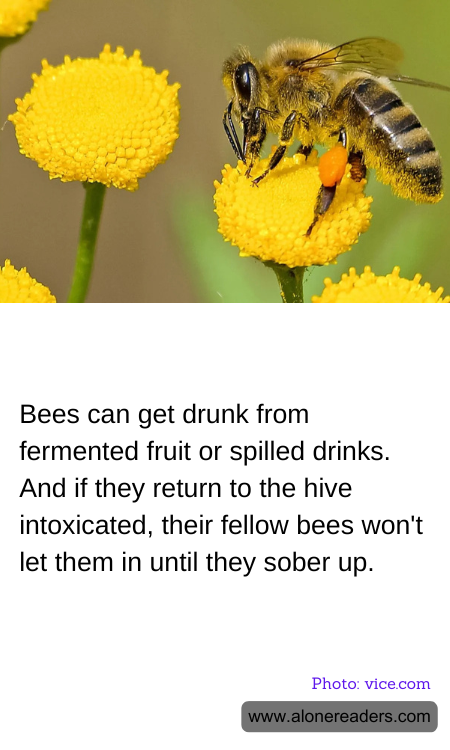
Bees, like humans, can experience the effects of intoxication. This usually occurs when they ingest fermented fruits or accidentally consume other sugary substances that have undergone fermentation, such as spilled alcoholic beverages. The fermentation process converts sugars present in these substances into alcohol, which can impact the bees' neurological functions.
When bees consume enough of such fermented substances, their behavior noticeably changes. Typically, an intoxicated bee will exhibit difficulty in flying and may walk erratically, much like an inebriated person might stumble or lose coordination. There are also reports suggesting that drunk bees can become more aggressive or, conversely, more lethargic, depending on the individual and the amount of alcohol consumed.
The social structure of bee colonies is complex and highly organized, with strict protocols that each bee must follow to maintain harmony and productivity within the hive. Drunkenness disrupts this order and can potentially introduce risks to the hive's health, such as making the hive vulnerable to predators or diseases. Therefore, bees that return to the hive in an intoxicated state are often met with a unique form of colony discipline.
Guard bees, which monitor the entrance to the hive, can detect the altered behavior of an intoxicated bee. These guards will prevent the drunken bee from re-entering the hive until it has sobered up. This exclusion serves as a protective measure, ensuring that only bees capable of performing their necessary duties without disruption are allowed inside. During this time, the affected bee will typically sit near the hive entrance until the effects of alcohol wear off.
Interestingly, if a bee repeatedly returns to the hive in an intoxicated state, it may face more severe penalties from its fellow bees. Chronic offenders can be expelled from the hive permanently, reflecting the seriousness with which bee colonies treat threats to their operational efficiency and safety. This form of social regulation highlights the depth of social cooperation and rule-enforcement present even in non-human societies like those of bees, ensuring the well-being and productivity of the community as a whole.
