More About This Card
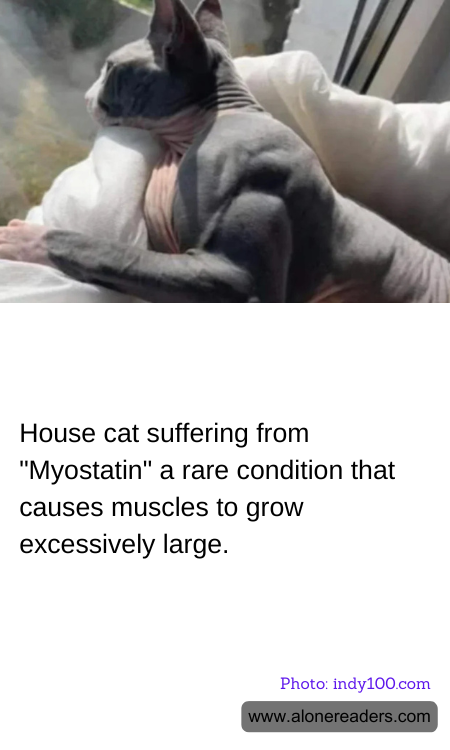
Myostatin-related muscle hypertrophy is a rare genetic condition observed not just in humans but also in animals, including house cats. This condition, resulting from a mutation in the MSTN gene which encodes the myostatin protein, leads to reduced production or functionality of myostatin, a growth factor that limits muscle growth. The outcome is an unusual increase in skeletal muscle mass.
In house cats, this condition often becomes evident in the distinctively bulky appearance that goes well beyond the physique of a well-fed or physically active cat. These cats exhibit significantly enhanced muscle mass and strength, which can be visually striking and lead to various health implications.
Although this may initially seem advantageous, the reality is that excessive muscle growth can lead to complications. The increased muscle mass can put extra strain on the cat's body, including their bones and joints, potentially leading to discomfort and a decreased range of motion. Additionally, there may be an increased risk of certain metabolic disorders as the body struggles to maintain the abnormally large muscle mass.
Managing a cat with myostatin-related muscle hypertrophy requires careful attention. Pet owners should focus on providing a balanced diet that supports overall health without excessively increasing muscle mass. Regular, moderate exercise can help maintain muscle tone and manage weight, but intense activity might exacerbate the strain on the cat’s muscles and joints.
Veterinary care is crucial in ensuring that the health needs of cats with this condition are met. Regular check-ups can help monitor the condition and prevent secondary complications like joint issues from arising. Treatment strategies may differ based on the individual cat's health status and the severity of their symptoms, with a focus on maintaining quality of life and minimizing discomfort.
While myostatin-related muscle hypertrophy is rare in cats, understanding and managing the condition is key to ensuring that affected felines can lead as normal a life as possible. As with any genetic condition, potential breeding should be carefully considered, with genetic testing and advice from veterinary geneticists to prevent the propagation of this mutation in future generations of cats. Awareness and responsible pet ownership go a long way in caring for cats with this extraordinary condition.