More About This Card
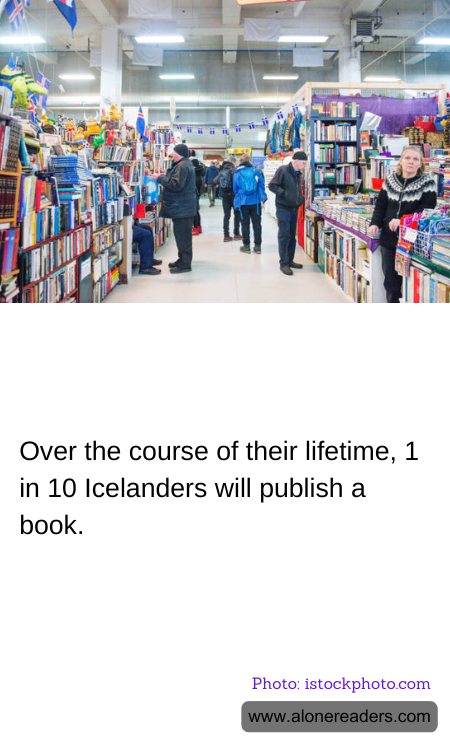
Iceland, a small nation perched on the edge of the Arctic Circle, enjoys a remarkably unique literary culture that has led to the fact that about 10% of its population will publish a book in their lifetime. With a population of just around 360,000 people, Iceland’s prolific book publishing tradition makes it one of the most literarily productive countries in the world per capita.
The roots of Iceland’s deep-seated love for literature can be traced back to the medieval ages with the sagas—narratives about the lives and exploits of Icelandic settlers, which are among Europe’s most significant historical literary works. These sagas have undeniably influenced the nation’s cultural identity, embedding a tradition of storytelling deep within the Icelandic psyche.
This tradition continues to thrive today, supported by an educational system that places a strong emphasis on the written word and a society that values literary achievements. Iceland publishes more books per capita than any other country in the world, with the number of new titles per year surpassing most larger nations. This phenomenon is particularly highlighted during the annual Reykjavik Book Fair and is celebrated culturally each Christmas with the Jolabokaflod, or “Christmas Book Flood”, during which the majority of books are sold as gifts.
The government plays a significant role in fostering this rich literary environment by offering grants and stipends to writers and publishers, thus ensuring that the literary arts remain accessible and vibrant. This financial support not only helps maintain high levels of literacy but also promotes diversity in voice and genre, from poetry and fiction to children’s books and scholarly work.
Community involvement also adds to the fervor, with numerous book clubs and readings taking place throughout the year. With virtually every Icelander being an avid reader, there is a strong communal encouragement for articulating ideas through books. This inculcates a sense of literary admiration across generations, making it common for Icelanders not only to consume books but also to write them.
This large-scale engagement with the literary world showcases the profound respect and passion that Icelanders hold for literature, fostering a society where storytelling is not just preserved in books but celebrated as an essential part of human connectivity and cultural identity.