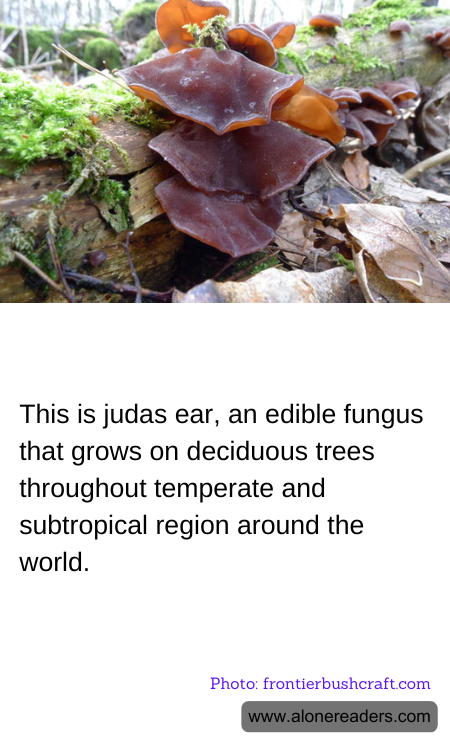
Judas ear, also known scientifically as Auricularia auricula-judae, is a distinctive fungus primarily found on elder trees but also on other deciduous trees. It gets its unique name from the belief that Judas Iscariot hanged himself from an elder tree; the fungus’ ear-like shape contributes to this vivid imagery. It is more commonly known as "Wood ear" or "Jelly ear" due to its gelatinous and ear-like appearance.
This fungus is prevalent in both temperate and subtropical regions around the globe. It's particularly popular in Asian cuisine for its texture rather than its taste, which is rather mild and somewhat woody. The texture, crunchy and slightly chewy, is highly prized. It's often used in dishes like soups and stir-fries, where it absorbs the flavors of other ingredients.
Nutritionally, Judas ear is low in calories yet rich in dietary fiber and essential minerals, including iron and calcium. It also contains small amounts of protein. Unique to its kind, it provides a type of polysaccharide that has been studied for its potential health benefits, including cholesterol reduction and improved circulation.
Culturally, aside from its culinary uses, it has had medicinal applications in Chinese medicine for centuries, believed to improve bodily functions and overall health. In the West, it has gained popularity not only for its unique culinary texture but also as a vegan substitute for gelatin.
For foragers, Judas ear is an accessible and easy-to-identify fungus. It doesn't have many dangerous look-alikes, making it a safe choice for novice foragers. It grows year-round but is best harvested in late autumn to early winter for optimal texture and size. When foraging, it’s important to harvest sustainably, taking care to leave enough fungus for regeneration.
Overall, Judas ear is not just a fascinating subject of folklore but also a versatile and nutritious food source that bridges cultures and cuisines worldwide. Whether in a steamy Asian soup or a modern vegan dish, it offers an enjoyable culinary experience with health benefits to boot.
