More About This Card
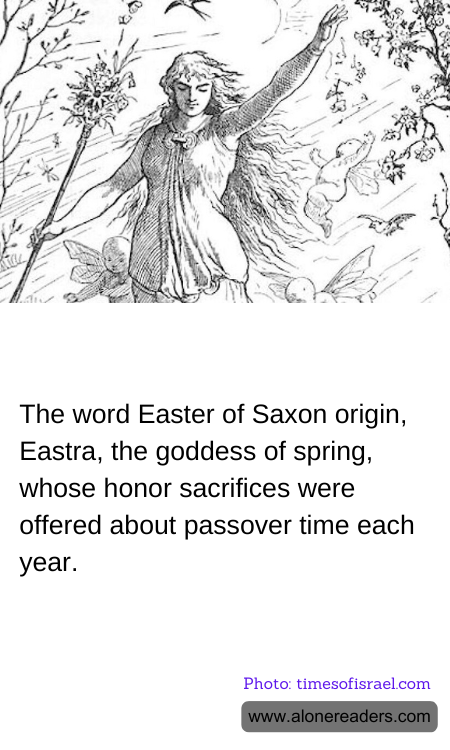
The origins and customs of Easter intertwine religious celebrations with ancient folklore, making it a festival rich in symbolism and tradition. Easter, deriving its name from Eastra (sometimes spelled Eostre), the Anglo-Saxon goddess of spring, highlights the deeply rooted practice of commemorating the rejuvenating season of spring. Eastra was celebrated as the bringer of the rising sun and the renewal of fertility; her festival honored the resurrection of nature after the dead of winter. According to some historical narratives, the timing of these Saxon celebrations often coincided with Passover, a critical period also marking renewal and liberation in the Jewish tradition.
Transitioning from ancient rites to Christian customs, Easter evolved to primarily celebrate the resurrection of Jesus Christ, as documented in the New Testament of the Bible. This transformation from a pagan to a Christian tradition illustrates a common practice of early Christians adapting and redefining local customs and beliefs to fit Christian teachings. As a result, many of the symbols associated with the old Saxon spring rituals were incorporated into the new faith, morphing in meaning but retaining their essence of rebirth and renewal.
One of the most enduring symbols, the Easter egg, exemplifies this blend of traditions. Originally, eggs were a fertility symbol associated with Eastra, representing new life and rebirth. With the advent of Christianity, eggs came to symbolize the empty tomb from which Jesus resurrected, thus melding notions of rebirth in both pagan and Christian contexts.
Easter's dating itself bears evidence of its complex origins. Determined by the lunar calendar, it is celebrated on the first Sunday following the full moon that occurs on or after the vernal equinox, a system that reflects an attempt to synchronize lunar cycles with solar ones, intertwining Christian and older pagan calendar systems.
Today, Easter continues to be a period of celebration and reflection across various cultures worldwide, each adding their unique customs and interpretations to the historical and spiritual tapestry of the festival. Whether it is in the religious observance of Christians commemorating Christ's resurrection or in the secular enjoyment of egg hunts and chocolate bunnies, Easter remains a powerful emblem of renewal and hope, deeply rooted in a history that spans far beyond its Christian interpretations.