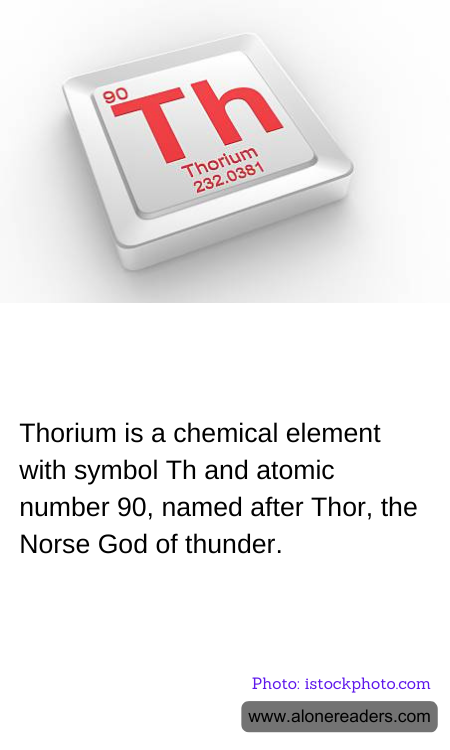
Thorium, represented by the chemical symbol Th and atomic number 90, holds a unique position on the periodic table and in the realm of nuclear science. Named after Thor, the Norse god of thunder, this radioactive actinide metal is both abundant and promising as a safer alternative in nuclear technology.
Thorium is naturally occurring and is about three times more abundant than uranium in the Earth’s crust. It is primarily sourced from the mineral monazite, which contains large amounts of rare earth elements and phosphate, making thorium readily available as a byproduct of rare earth processing. Despite its prevalence, thorium was not fully utilized or understood until recent decades.
One of the most compelling aspects of thorium is its potential role in nuclear power generation. Unlike uranium, thorium itself isn't fissile; it must first absorb a neutron to become uranium-233, which then sustains a nuclear chain reaction. This transformation sets the stage for thorium to be used in nuclear reactors. One of the touted benefits of these thorium reactors is their ability to produce less long-lived radioactive waste compared to traditional uranium-based reactors, addressing one of the critical public concerns about nuclear energy.
The proposed design for thorium-based reactors, often referred to as Liquid Fluoride Thorium Reactors (LFTRs), also boasts safety improvements over conventional nuclear reactors. These include passive cooling systems that can greatly reduce the risk of a meltdown. Moreover, the use of a liquid fluoride salt mixture allows for operation at atmospheric pressure, further lowering the danger of explosive accidents.
Despite these advantages, the deployment of thorium as a mainstream energy source faces several hurdles. The technology for thorium reactors is still in the developmental phase and has not yet been fully commercialized. Economic factors, regulatory issues, and the need for extensive testing and proof of concept also play significant roles in the slower adoption of thorium-based power.
Thorium also finds uses beyond potential energy production. It’s used in the production of high-quality camera lenses and scientific instruments, where its high refractive index and low dispersion are beneficial. Moreover, thorium has historically been used in gas mantles for portable camping lanterns, though this use has declined due to safety concerns related to its radioactivity.
Looking forward, thorium continues to be a subject of significant scientific and industrial research, driven by the imperative for sustainable and safe energy solutions. As discussions around nuclear power continue, particularly in the context of climate change and renewable energy sources, thorium presents a potentially underutilized resource that could play a pivotal role in shaping future energy paradigms. However, the full realization of thorium’s potential in nuclear science will depend on overcoming technological, economic, and regulatory challenges.
