More About This Card
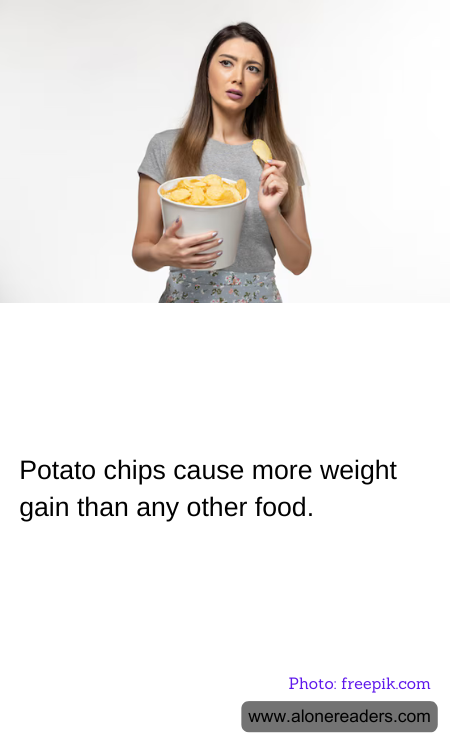
Potato chips have long been identified as a culprit behind weight gain, and research supports this notion. A pivotal study conducted by Harvard University researchers over a 20-year period analyzed the dietary habits and weight changes of more than 120,000 individuals. The study revealed that among all the foods consumed, potato chips were most strongly associated with weight gain. This could be attributed to several factors inherent in the nature of potato chips.
Firstly, potato chips are incredibly high in calories and fats, particularly saturated fats, which can contribute significantly to calorie surplus and thus, weight gain. A typical serving of potato chips can contain upwards of 150 calories, and it is common for individuals to consume multiple servings in one sitting. Additionally, the high salt content often found in potato chips not only increases thirst but can also lead to bloating and water retention.
Secondly, potato chips fall into the category of "ultra-processed" foods. These are foods that have been significantly altered from their original form, with numerous additives for enhancing flavor and shelf life. The processing often reduces the nutritional value while increasing the density of unhealthy fats and empty calories. Ultra-processed foods like potato chips can trigger a reward mechanism in the brain, which leads to increased cravings and, ultimately, overeating.
Moreover, the texture of potato chips — thin, crispy, and often infused with various flavors — is designed to enhance palatability and entice the taste buds, making them incredibly hard to resist. This can lead to a consumption loop where just a few chips do not satisfy the craving, leading to significantly higher actual intake than planned.
The immediate gratification derived from consuming potato chips combined with their poor nutritional profile makes them a significant risk factor for weight gain. Compared to other snacks that might offer fiber, protein, or beneficial fats (like nuts or yogurt), potato chips provide primarily empty calories and unhealthy fats which contribute to a higher overall caloric intake without providing satiety.
Health professionals often advise replacing potato chips with healthier alternatives such as baked chips, whole grain snacks, or fresh vegetables like carrot sticks or celery. Adopting such substitutions not only aids in managing calorie intake but also contributes positively towards overall nutritional benefits, ultimately assisting in weight management and reducing the risk associated with diseases such as obesity, diabetes, and cardiovascular disorders linked with high intake of processed and high-fat foods. In conclusion, while potato chips can be a tempting snack, understanding their impact on diet and exploring healthier snack options can be vital steps toward better health and successful weight management.