More About This Card
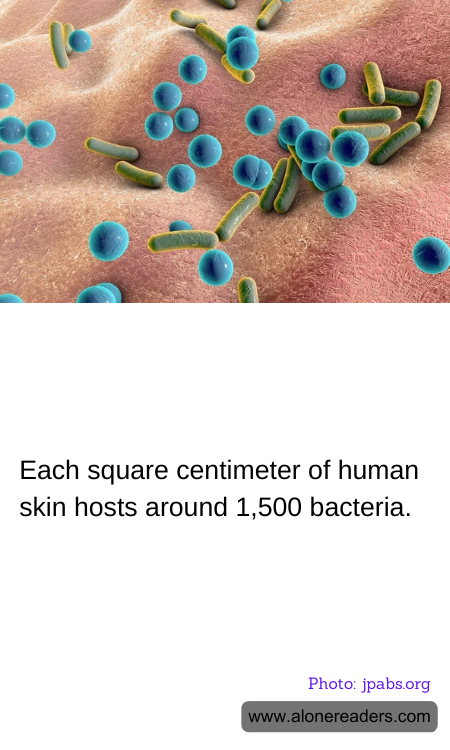
Our skin is a bustling ecosystem hosting about 1,500 bacteria per square centimeter, a fascinating aspect of human biology that highlights the complex relationship between humans and microbes. This vast array of microscopic inhabitants plays a crucial role not just in our health, but also in our interaction with the environment.
The skin, being the largest organ of the body, acts as a first line of defense against external pathogens. The presence of these microorganisms makes up what is known as the skin microbiota, a diverse community that includes bacteria, fungi, and viruses. These microbes are not merely passive occupants. They actively engage in protecting us by competing with harmful pathogens for space and resources, secreting substances that inhibit pathogen growth, and stimulating the skin’s immune response.
However, the relationship between skin bacteria and human health is not one-sided. Our lifestyle, diet, genetics, and the environment can influence the composition of these microbial communities. For instance, the use of antibiotics, both systemically and in topical products, can disrupt the natural balance of the skin microbiota, leading to issues like increased susceptibility to infections or conditions such as eczema.
Research into the skin microbiome has surged in recent years, revealing that not all areas of the skin are inhabited equally. Moist areas like the folds of our elbows and underarms harbor different types and quantities of microbes compared to dry areas like our forearms. This distribution is not random but is intricately shaped by factors such as pH levels, temperature, and sebum production, each of which can influence microbial growth in different ways.
Another intriguing aspect of this microbiome is its role in personalizing our scent. The bacteria on our skin help break down sweat into odoriferous compounds. These unique scents can play roles beyond just social interactions; they have implications in mate choice and can even impact a mother’s recognition of her newborn.
The complexity and significance of the skin microbiome underscore the potential benefits of personalized skin care and medical treatments that harness or modify these microbial communities. Probiotics, prebiotics, and other microbiome-friendly skincare products are already making their way into the market with the promise of promoting a healthier skin ecosystem.
Understanding the skin’s microbiome and its full implications on health is an ongoing field of research, offering exciting possibilities for future healthcare innovations. Appreciating and nurturing this invisible ecosystem can lead to not just better skin health but also a better understanding of human biology in its entirety.