More About This Card
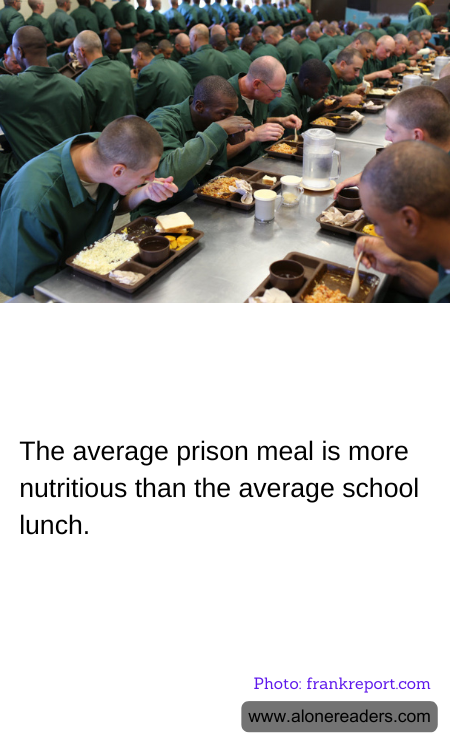
In examining the nutritional content and quality of meals served in public institutions, one notable comparison is between the meals provided in prisons and those served in schools. Surprisingly, some studies and reports have pointed out that the average prison meal can be more nutritious than the average school lunch in the United States. This striking fact raises significant concerns about the dietary provisions given to students during their formative years.
Prisons in the U.S. are required to meet certain dietary standards to ensure that inmates receive the necessary nutrients to maintain their health. These standards are rigorously monitored and often strictly enforced due to legal and human rights obligations. Meals in prison typically include a balance of carbohydrates, proteins, and fats, along with sufficient fiber and vitamins from various food sources like fruits, vegetables, and whole grains. Caloric intake is also closely regulated to prevent malnutrition and obesity among inmates, which can contribute to their overall well-being and manage healthcare costs in the prison system.
In contrast, school lunch programs, though well-intentioned and crucial for children’s health and learning capabilities, often face challenges that might compromise their nutritional quality. Budget constraints are a primary issue, as many school districts struggle with limited funding, which can lead to cost-cutting measures in meal preparation and ingredients. This may result in serving more processed foods, which are cheaper but less nutritious than whole foods. Additionally, schools must cater to a broad range of dietary preferences and restrictions, complicating the task of creating universally nutritious and appealing meal options. The regulations governing school meals, such as those mandated by the National School Lunch Program, do set minimum nutritional standards, but enforcement and adherence can vary widely.
The implications of this disparity are significant. Children require adequate nutrition for physical growth, cognitive development, and academic performance. Insufficient nutrition can lead to health problems such as obesity, diabetes, and other chronic conditions, as well as to difficulties in concentration and learning. The fact that prison meals might exceed school lunches in nutritional quality is a call to action for policymakers, parents, and school administrators. It underscores the need for improved funding and resources for school meal programs and for a reevaluation of priorities within public institution provisioning.
Enhancing the quality of school lunches could involve investing in better kitchen facilities, training for food service staff, and sourcing from local farms to increase freshness and nutritional content. It also calls for an ongoing commitment to monitoring and adjusting menus based on nutritional science and the changing dietary needs of growing children. Addressing this issue not only supports the health and academic potential of students but also contributes to a broader public health strategy that can have far-reaching effects on society.