More About This Card
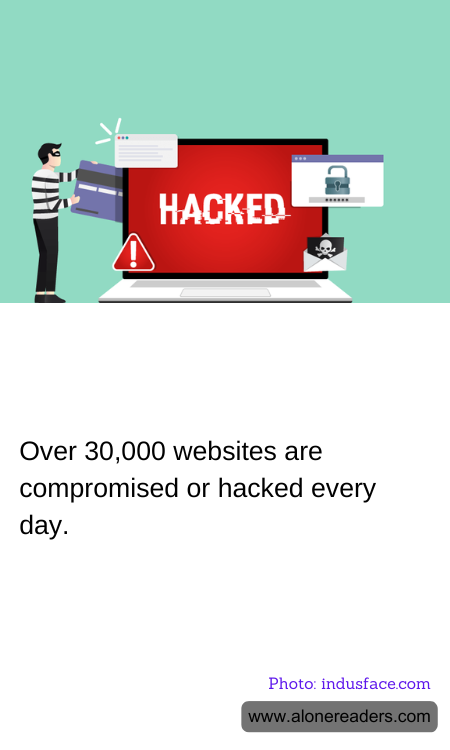
The staggering reality that over 30,000 websites are hacked or compromised daily brings to light the critical vulnerabilities and risks that individuals and businesses face in the digital age. This statistic not only highlights the sophistication and frequency of cyber attacks but also underscores the importance of robust cybersecurity measures.
Cybercriminals use a plethora of methods to infiltrate websites, including SQL injection, cross-site scripting, and the exploitation of software vulnerabilities. Many of these attacks aim to steal sensitive data, distribute malicious software, or even hijack computing resources for purposes like cryptocurrency mining. The consequences of such breaches are severe, ranging from financial loss and disruption of operations to long-term reputational damage and loss of customer trust.
The targets of these attacks are not limited to large corporations but include small businesses, nonprofits, and personal websites, which are often less secure and, therefore, more vulnerable. Given this threat landscape, it is crucial that website owners employ comprehensive security strategies. These may include regularly updating software, using strong, unique passwords, and implementing security protocols such as HTTPS. Additionally, advanced solutions like web application firewalls (WAF), regular security audits, and proactive monitoring can significantly enhance a website's defenses against potential breaches.
Moreover, the impact of such a high frequency of attacks exerts a toll on the economy, influencing not just individual businesses but entire industries. This ripple effect can translate into regulatory changes, as seen with the General Data Protection Regulation (GDPR) in Europe and similar laws elsewhere, which aim to protect personal data and increase the responsibility of organizations to secure their digital environments.
Finally, with the growing reliance on digital technologies and the proliferation of interconnected devices, the implications of these daily attacks expand far beyond the immediate targets. They serve as a stark reminder of the shared responsibility among developers, website owners, and users to foster a safer digital world. As technology evolves, so must the strategies to protect it, necessitating ongoing education, innovation, and collaboration across the sector to mitigate risks and enhance digital trust.