More About This Card
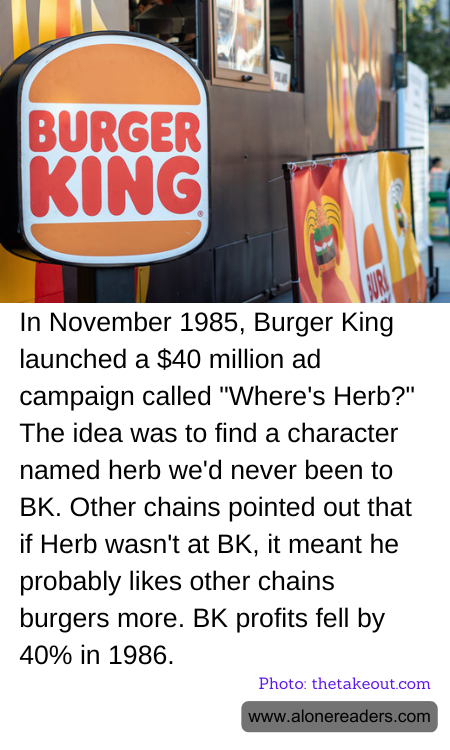
In November 1985, Burger King embarked on one of the most infamous marketing campaigns in fast-food history. With a hefty $40 million budget, the campaign introduced the world to a mysterious character named Herb, a man who had never set foot in a Burger King. The premise was intriguing: wherever Herb went, a buzz followed, as people were encouraged to find Herb and potentially win prizes. The slogan "Where’s Herb?" became a cultural phenomenon, playing heavily on the curiosity and engagement of customers.
However, the campaign quickly backfired. Other fast-food chains seized the opportunity to poke fun at Burger King’s strategy by suggesting that Herb’s absence from Burger King was due to a preference for their burgers instead. This narrative struck a chord with the public, leading to widespread ridicule of the campaign. The implication that even a character created by Burger King preferred other chains was a marketing disaster.
The fallout from the campaign was severe. Throughout 1986, Burger King's profits plummeted by a staggering 40%. The campaign, intended to boost the brand and increase customer traffic, had instead alienated consumers and turned into a cautionary tale in marketing circles. It highlighted the risks of gimmicky advertising strategies that could be easily misconstrued or turned against a brand.
The "Where’s Herb?" campaign stands as a testament to the unpredictable nature of advertising. It underscores the importance of crafting clear, positive messages that resonate with and attract customers rather than leaving room for potentially damaging interpretations. Despite its ambitious conception, Burger King's attempt at creating a buzz with Herb did more than just fall flat; it served as an example of how a substantial investment in marketing could go awry if not aligned with customer perceptions and expectations. This misstep by Burger King remains a valuable lesson for marketers on the risks of overreliance on gimmicks without a solid understanding of their audience’s values and preferences.