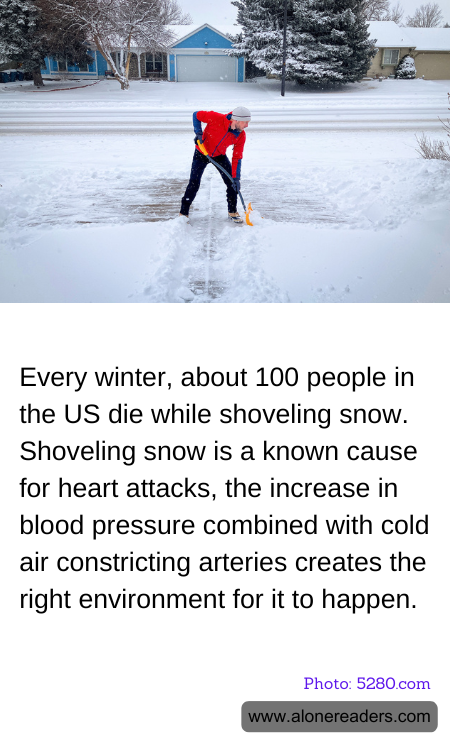
During the winter months, the seemingly mundane task of snow shoveling can pose significant health risks, often underestimated by many. Each year, snow shoveling is linked to approximately 100 fatalities in the United States, alongside numerous non-fatal health incidents. The primary concern associated with shoveling snow is its potential to trigger heart attacks. This concern is not unfounded; the combination of physical exertion, cold temperatures, and the physiological responses they provoke can create a perilous situation for many, especially those with pre-existing cardiovascular conditions.
Shoveling snow involves strenuous physical activity that increases heart rate and blood pressure. This spike in physical demand forces the heart to work harder to supply the necessary oxygen to the muscles. Concurrently, cold air has a natural tendency to cause constriction of blood vessels, including arteries, which can further elevate blood pressure and reduce blood flow. When arteries are constricted, the risk of heart attack escalates, particularly in individuals who already have compromised cardiovascular health.
Moreover, the risks are not solely limited to those with prior heart issues. Even healthy individuals can fall victim to the dangers of shoveling snow if they do not take proper precautions. The cold weather can also contribute to respiratory problems, which can complicate the body's ability to cope with increased physical exertion.
Given these risks, it is advisable for those at higher risk, such as the elderly, those with heart disease, high blood pressure, or cholesterol, and those who are not physically active, to avoid shoveling snow if possible. If shoveling cannot be avoided, it is crucial to take several precautions. These include using ergonomically designed shovels to minimize strain, dressing in layers to stay warm while avoiding overheating, taking frequent breaks, staying hydrated, and being alert to the signs of heart distress, including chest pain, shortness of breath, dizziness, or nausea.
In summary, while shoveling snow may seem like just another household chore, its associated risks are serious and should not be taken lightly. Individuals should assess their personal health risks before deciding to shovel snow, and consider seeking assistance or using snow removal services to ensure their safety during the harsh winter months. Taking these precautions can help reduce the risk of serious injury or death, allowing everyone to enjoy a safer, healthier winter season.
