More About This Card
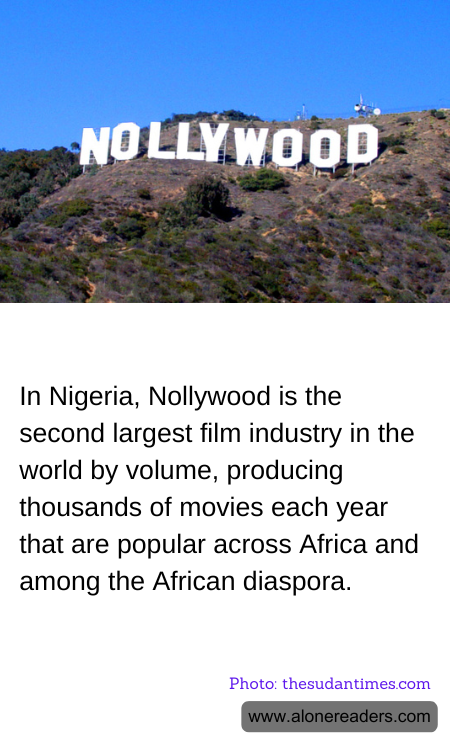
Nigeria's film industry, popularly known as Nollywood, stands as a cultural powerhouse, producing more films annually than Hollywood and coming in second only to India’s Bollywood in terms of volume. This vibrant sector not only showcases the rich diversity and narratives of Nigeria but also mirrors and influences the sociocultural landscape of Africa. The industry, thriving since the early 1990s, began with low-budget productions and has since evolved with more sophisticated storytelling and improved production qualities.
Nollywood films are distinct for their intense drama, charismatic characters, and engaging, often morally instructive storylines that resonate widely with audiences across Africa and its diaspora. These movies are typically rooted in African traditions and values, often flavored with themes of love, betrayal, wealth, and power. The reach of Nollywood has been significantly bolstered by the advent of digital technology and the internet. Streaming services and social media platforms have made these films more accessible to a global audience, increasing their popularity beyond the African continent.
The international appeal of Nollywood can be attributed to its unique ability to produce films that capture the complexities of African society while maintaining a universal appeal through relatable themes. The industry not only entertains but also provides an important platform for cultural expression and discourse, often addressing societal issues such as corruption, poverty, and gender discrimination, which are prevalent in many of its narratives.
Moreover, Nollywood is a major economic force, providing employment to thousands of people in Nigeria and beyond. From actors and directors to those behind the scenes such as scriptwriters, cameramen, and editors, the industry stimulates local economies and contributes significantly to the national GDP. Furthermore, Nollywood’s influence extends into fashion, music, and lifestyle, setting trends and enriching the cultural fabric of Nigerian society.
In conclusion, Nollywood’s exponential growth and its profound impact on both a cultural and economic level underscore its position as more than just an entertainment industry. It is a vital cultural institution that continues to shape perceptions, foster understanding, and bridge cultural gaps across borders, making it a crucial ambassador for African culture on the global stage.