More About This Card
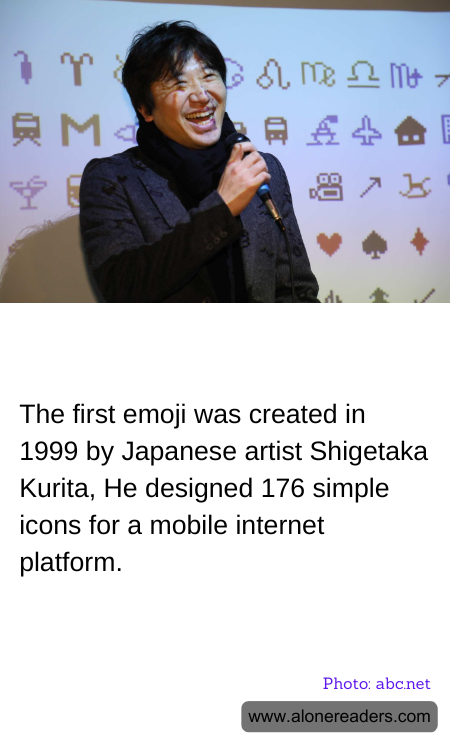
In 1999, the digital landscape witnessed a small but significant revolution—the creation of the first emoji by Japanese artist Shigetaka Kurita. This innovation was born out of a necessity to facilitate concise and effective communication on digital platforms. Kurita, working for the mobile operator NTT DoCoMo, designed a series of 176 simple icons, each 12x12 pixels, intended for use on a mobile internet platform. His designs were a part of the i-mode, a pioneering mobile internet platform in Japan that aimed to incorporate features beyond voice communication.
The original set of emojis included a variety of symbols meant to represent commonly conveyed information in short, visual snippets. These ranged from facial expressions, which cover basic emotions like happiness and sadness, to thematic icons like weather conditions, traffic signs, and various technological gadgets. Characterized by their simplicity, these icons were highly functional, helping users communicate more effectively without the need for long text messages, especially given the limitations of mobile devices at the time.
The concept quickly captured the public’s imagination in Japan and then gained traction worldwide. As mobile technology evolved, so did the art of emoji. The Unicode Consortium, responsible for standardizing text across software platforms, officially adopted emojis in 2010, which led to their uniform appearance across different devices and operating systems. This standardization was a critical step in transforming them from a simple, practical communication tool to a dynamic form of expression that transcends linguistic barriers.
Today, emojis are an integral part of digital communication, used by millions to enhance and convey emotions in text messages and social media. They have evolved to include a diverse range of images and concepts, covering various skin tones, genders, and cultures, making them a universal language in modern communication. This evolution marks a significant shift from their humble beginnings and reflects the changing dynamics of digital expression, where visuals continue to play a prominent role in how we interact with one another in the virtual space.