More About This Card
In an innovative twist to the common narrative around incarceration, the Netherlands is experiencing a unique phenomenon: a shortage of prisoners. This decline in crime rates has led to an unusual but resourceful use of empty prison facilities—transforming them into hotels. The country's progressive approach to rehabilitation and a strong focus on crime prevention have significantly lowered its prisoner count, prompting authorities to rethink the use of abandoned structures.
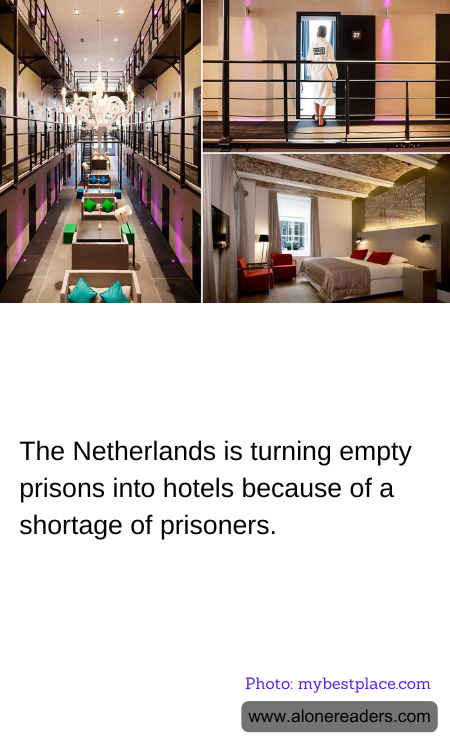
This innovative reuse of space not only addresses issues of sustainability and efficient resource utilization but also provides a unique experience for tourists looking for accommodations far from the ordinary. These prison-turned-hotels retain many of the original architectural features, including cell doors and sometimes even barred windows, giving guests a taste of history with modern luxury amenities.
For example, the Het Arresthuis, once a detention center in Roermond, has been converted into a stylish luxury hotel. Its transformation includes comfortable suites that were once cells and common areas where prisoners gathered now serving as meeting spaces and event venues. The hotel offers tours that highlight its history, balancing its past purpose with its new one in a way that is both respectful and intriguing.
This type of reutilization captures a broader trend in the Netherlands toward innovation in the use of space, conscious of both heritage and forward-thinking sustainability. It reflects a societal shift towards more humane and rehabilitative methods of dealing with offenders, focusing on reintegration rather than punishment. The decline in the prison population itself is attributed to a variety of factors including a comprehensive social welfare system, preventive policing, and an effective justice system that emphasizes community service and rehabilitation over incarceration for minor offenses.
By turning prisons into hotels, the Netherlands not only conserves resources but also stimulates local economies by creating new jobs and attracting tourists. This initiative serves as a compelling model of adaptive reuse, showcasing how spaces with negative connotations can be transformed into positive community assets. Moreover, it raises interesting discussions globally about how best to utilize spaces that are no longer needed for their original purposes, especially in a world where sustainability has become increasingly critical.