More About This Card
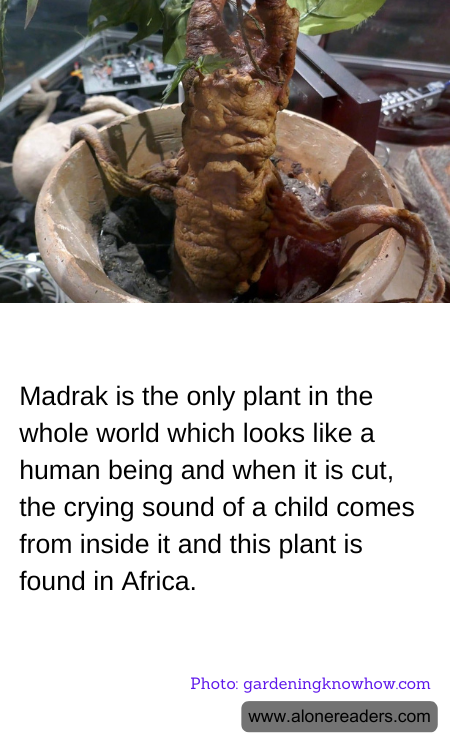
The intriguing concept of the Mandrake plant, often associated with historical lore and modern fiction, carries over into stories that blend myth with botanical facts. The idea that there exists a unique plant called "Madrak" that resembles a human and cries like a child upon being harvested is an embellishment similar to such fantastical narratives, particularly as it is not supported by scientifically verifiable evidence.
The traditional Mandrake, known scientifically as Mandragora, is native to the Mediterranean region and has been shrouded in legend due to its human-like root structure. According to folklore, when the Mandrake root is pulled from the ground, it screams in a way that could bring harm or even death to the person who uproots it. This lore likely stemmed from the plant's narcotic and hallucinogenic properties, which were well known in ancient times and employed in magic and medicine.
The Mandrake’s place in popular culture, most notably in some of the world’s best-selling fantasy novels and films, showcases its intriguing role in myths and legends. Such fantastical features have inspired curiosity and fear, making the Mandrake a staple in many horror or fantasy-based tales. It’s been depicted in many ways, ranging from a harmless plant to a mystical herb endowed with powerful properties, including the ability to reveal the future or even influence the fate of those around it.
However, turning attention to the details specified about "Madrak," there does not seem to be any recognized scientific support for the existence of a plant that exactly matches these characteristics. The continent of Africa, known for its rich biodiversity, does host a variety of unique flora and fauna, yet there is no record of such a plant as described in scholarly or reputable botanical sources.
In essence, while the fascination with such a creature-like plant persists in cultural references and narrative entertainment, the real-world root of these stories—the Mandrake—is neither capable of human-like wailings nor found in Africa as the mythical "Madrak" suggests. Thus, the story of a crying, human-like "Madrak" remains lodged firmly in the realm of myth, fantasy, and folkloric embellishment. Interested individuals are encouraged to explore the mythical narratives for their rich cultural and entertainment values while turning to scientific sources for factual information on botanical life.