More About This Card
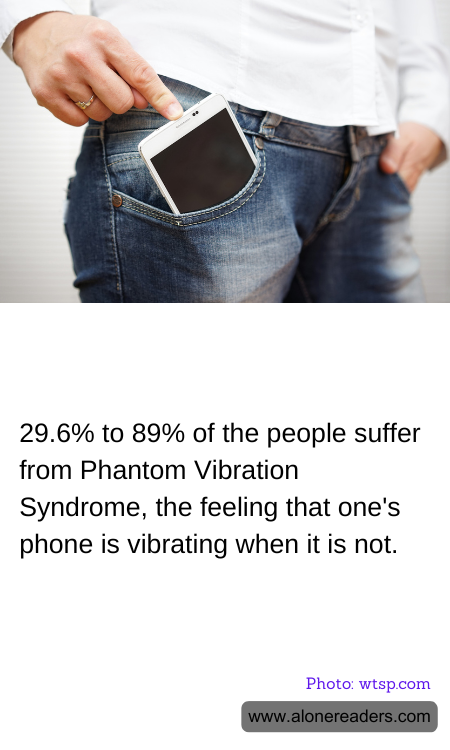
In the digital age, a peculiar phenomenon known as Phantom Vibration Syndrome (PVS) is becoming increasingly common. Reports indicate that between 29.6% and 89% of people have experienced PVS, where individuals feel as though their mobile phone is vibrating in their pocket, only to discover that there was no notification or call to prompt the sensation. This sensory illusion underscores the deep psychological and physiological impacts of mobile technology in our daily lives.
The wide prevalence range of PVS might stem from demographic factors such as age, occupation, or the level of dependence on mobile devices. Typically, individuals who are heavily reliant on their phones for work or social interaction are more prone to experiencing these phantom vibrations. The condition highlights our subconscious readiness to be in constant communication and our expectation to receive alerts and messages.
Researchers theorize that PVS could be related to the way our brains are wired to interpret and respond to repetitive stimuli. After frequent exposure to phone vibrations, the brain may become conditioned to anticipate these signals, mistakenly interpreting unrelated stimuli, such as a brush of clothing or muscle contractions, as a phone vibration. Neurologically, this might be categorized as a form of tactile hallucination, although it is benign and generally not indicative of any deeper psychological or neurological issue.
Moreover, PVS serves as a testament to the notion of "learned bodily habit." Just as Pavlov's dogs were conditioned to salivate at the sound of a bell, smartphone users might develop a habituated response to what they perceive as a vibration. Beyond individual experiences, the syndrome reflects broader societal shifts towards hyperconnectivity and the constant engagement with digital interfaces.
In terms of management, awareness and behavioral adjustments are key. Strategies such as designated "tech-free" times during the day or using auditory notifications instead of vibrations can help reduce the occurrence of phantom vibrations. Mindfulness and cognitive-behavioral techniques can also be useful in helping individuals recognize and modify conditioned behaviors linked with mobile device use.
As mobile technology continues to evolve and become even more integrated into the fabric of daily life, understanding and adapting our responses to phenomena like Phantom Vibration Syndrome will be crucial. By navigating these challenges thoughtfully, individuals can balance the benefits of connectivity with healthy, mindful engagement with technology.