More About This Card
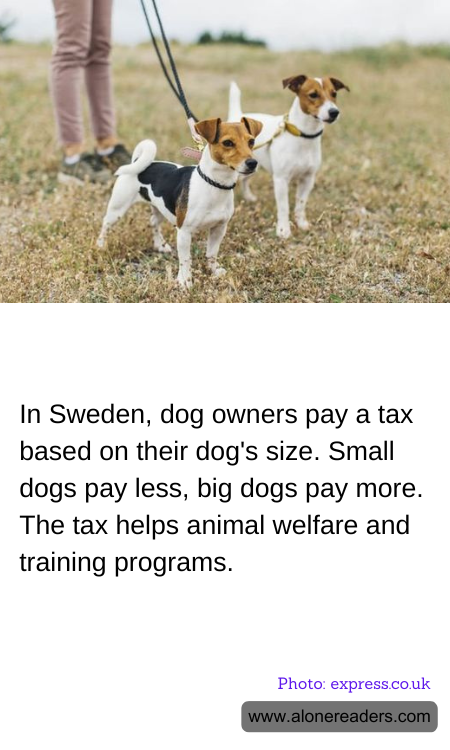
In Sweden, an intriguing policy exists where the amount of tax a dog owner pays is dependent on the size of their dog. This progressive tax structure means that owners of smaller dogs pay less, while those with larger breeds pay more. This policy not only reflects the potentially higher costs associated with caring for bigger dogs, including greater food intake and medical expenses, but it also serves a broader purpose. The revenue generated from this tax is directed towards animal welfare initiatives and various training programs that benefit the canine community at large.
This tiered tax system considers the financial implications of larger dogs, such as their impact on public spaces, which can be greater compared to smaller dogs. By imposing higher taxes on larger dogs, it potentially discourages individuals from owning large breeds unless they are fully capable of handling the responsibilities and costs. This can lead to a more thoughtful process of dog ownership, ideally resulting in fewer large dogs being abandoned due to unmanageable costs.
Moreover, the funds collected from this tax are used to enhance the lives of all dogs through improved shelter facilities, veterinary care, and obedience training programs. Such initiatives ensure that dogs are not only well taken care of but also well-integrated into society as disciplined and manageable pets. This not only benefits the dogs but also the community by reducing instances of aggression and other public safety issues commonly associated with poorly trained dogs.
The Swedish model showcases a government taking proactive steps to link tax policy with animal welfare, thus creating a sustainable funding stream for animal services without depending entirely on donations and voluntary contributions. This approach encourages responsible pet ownership and promotes the health and well-being of dogs, all while generating financial support for services that reinforce these goals. The model could serve as an inspiration for other countries looking for innovative ways to support animal welfare while promoting responsible pet ownership.