More About This Card
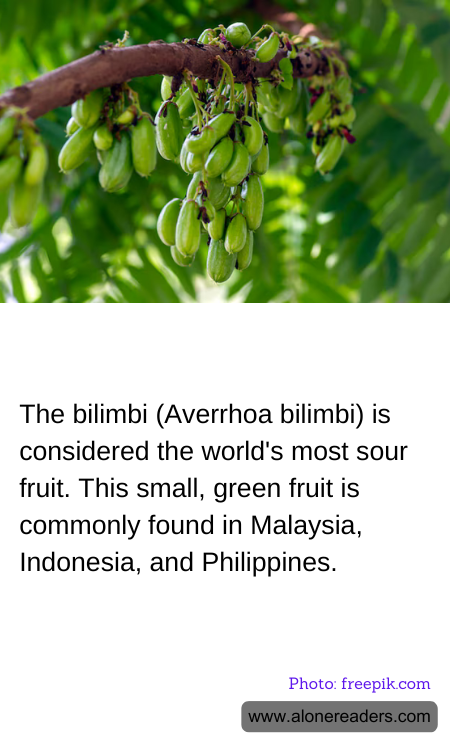
The bilimbi, scientifically known as Averrhoa bilimbi, holds the title for being the most sour fruit found around the globe. This distinction comes from its incredibly high acidity, which is primarily due to its rich concentration of oxalic acid. Originating from tropical areas, the bilimbi thrives in the moist, warm climates of Malaysia, Indonesia, and the Philippines. It is a small, elongated fruit, typically measuring four to ten centimeters in length, characterized by its bright green color which turns yellowish as it fully ripens.
The bilimbi tree, part of the oxalidaceae family, is closely related to the carambola—or star fruit—both in appearance and genetic makeup, but is far less sweet. The fruit grows directly on the trunk and heavy branches of the tree, a phenomenon known as cauliflory. This peculiar growth pattern adds a unique aesthetic value to the tree, making it not only a source of food but also a decorative piece in landscapes across its native regions.
The uses of bilimbi are diverse, ranging from culinary to medicinal. In Southeast Asian cuisine, the bilimbi is used predominantly to add sourness in cooking, much like tamarind in Indian cuisine. It is commonly incorporated in recipes for chutneys, pickles, and even in fish curries, where its tart flavor complements the spices used. The fruit is also used to make refreshing drinks and jams. Due to its very sour taste, it is rarely eaten raw unless combined with other flavors that can offset its acidity.
Medicinally, the bilimbi has been used in traditional practices to manage a variety of ailments. Its juice is applied topically for skin conditions like acne and boils, and taken internally to relieve coughs or control diabetes. The leaves of the bilimbi tree are also of medicinal value, often used in poultices or as an infusion to reduce inflammation and treat rheumatism.
Despite its benefits and uses, the bilimbi remains somewhat of an obscure fruit to the wider world, primarily enjoyed and known within its native regions. Its extreme sourness perhaps limits its popularity as a standalone fruit but continues to be a valued ingredient in the culinary traditions of Southeast Asia. As global cuisine becomes more interconnected, the potential for bilimbi to venture beyond its traditional uses and geographic boundaries grows, possibly introducing the world to the powerful punch this small, sour fruit packs.