More About This Card
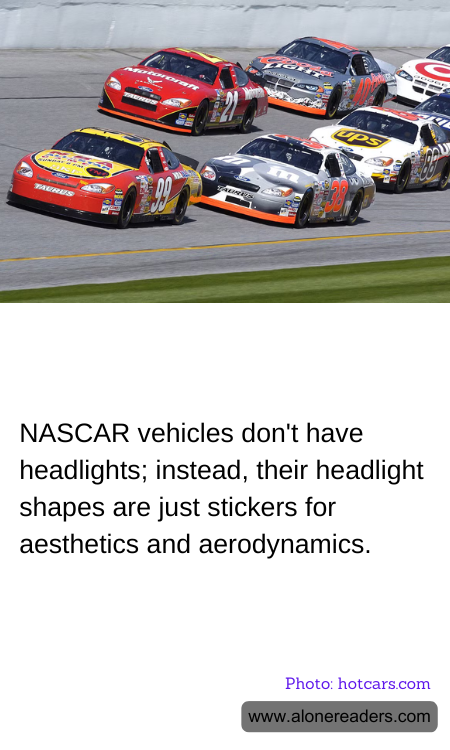
NASCAR vehicles are a staple of American motorsport, known for their high-speed action and close racing. One distinctive feature of these cars is their lack of real headlights. Instead, what appear to be headlights are actually just stickers placed on the body of the car. This might seem unusual at first glance, but there are practical reasons behind this design choice related to both aesthetics and aerodynamics.
Firstly, NASCAR races are primarily held during daylight hours, which eliminates the need for actual headlights. The inclusion of headlight stickers maintains a semblance of the traditional car appearance, which helps fans relate more to the vehicles, as they closely resemble road cars. This aesthetic element is crucial for sponsor visibility and fan engagement. The designs and decals, which include these faux headlights, provide a canvas for advertisers, contributing significantly to the sport's commercial appeal.
From an aerodynamic perspective, real headlights could potentially disrupt the airflow over the car's body. In high-speed racing, even the smallest aerodynamic inefficiency can affect performance. NASCAR vehicles are meticulously designed to reduce drag and maximize downforce. Solid, smooth surfaces offer better aerodynamic properties than functional headlights with glass and internal components that could protrude or create turbulence.
The use of stickers also offers a weight advantage. Traditional headlights and their mechanisms are relatively heavy. In a sport where speed and efficiency are paramount, every ounce saved contributes to a faster and more competitive car. The stickers provide the look of headlights without any of the weight.
Furthermore, the absence of real headlights enhances the structural integrity and safety of NASCAR vehicles. In the event of a crash, the likelihood of glass breakage and related injuries is minimized. Cars are often involved in minor collisions and scrapes during the tightly contested races, so reducing the risk of additional hazards is a key consideration.
Despite the lack of functional headlights, NASCAR cars are equipped to deal with various lighting conditions. The races occasionally extend into the dusk, and in such cases, track lighting typically suffices. However, for events specifically scheduled to occur at night, such as those at Daytona under the lights, the tracks are exceptionally well-lit to ensure visibility is not compromised.
In conclusion, although NASCAR vehicles feature headlight stickers instead of real headlights, this design choice is driven by practical considerations of aesthetics, aerodynamics, vehicle performance, and safety. The iconic look of these cars with their "headlights" continues to captivate fans and uphold the traditional vibe of stock car racing, all while meeting the demands of a highly technical and competitive sport.