More About This Card
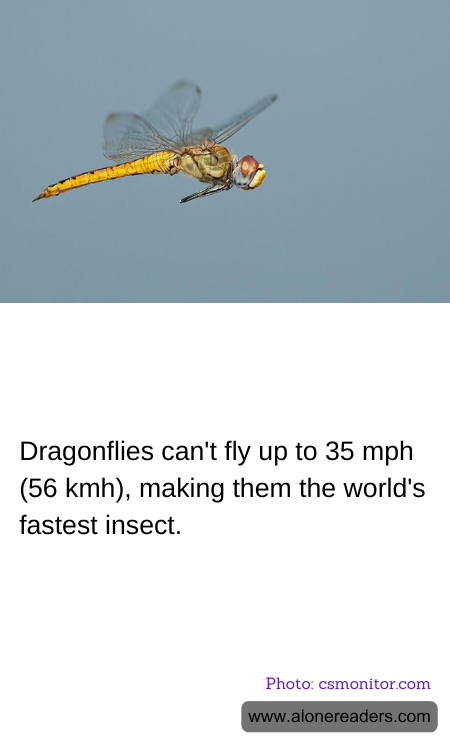
Dragonflies are among the most fascinating and ancient insects, having existed for around 300 million years. One of the most remarkable aspects of these creatures is their incredible speed. Dragonflies can reach speeds of up to 35 mph (56 kmh), making them some of the fastest insects in the world. This speed is a critical factor in their hunting strategy, allowing them to outrun and capture prey with stunning efficiency.
Their ability to move at such high speeds is facilitated by their unique wing structure and muscle arrangement. Dragonflies have two sets of wings, which they can control independently, enabling them to maneuver through the air with precision and agility. They can hover in one place, accelerate suddenly, and change direction swiftly. This agility is not just useful in evasion; it is critical in their pursuit of prey, which includes smaller insects like mosquitoes and flies.
Apart from their speed, dragonflies are also known for their extraordinary flying patterns. They can fly straight up and down, hover like a helicopter, and even mate mid-air. They can also cover vast distances, which is why some species are found on multiple continents.
Furthermore, dragonflies are beneficial to the environment and humans. They help control populations of insects that are considered pests, such as mosquitoes, which are known vectors for diseases like malaria and the Zika virus. Observing and studying dragonflies can also serve as an indicator of ecological health. Since they are aquatic insects, with larvae that develop in water, their presence and health can reflect the quality of water bodies in an area.
The speed, agility, and ecological importance of dragonflies underscore their significance in both natural ecosystems and the broader study of biodiversity. As such, understanding and preserving these insects is crucial for ecological research and maintaining biodiversity.