More About This Card
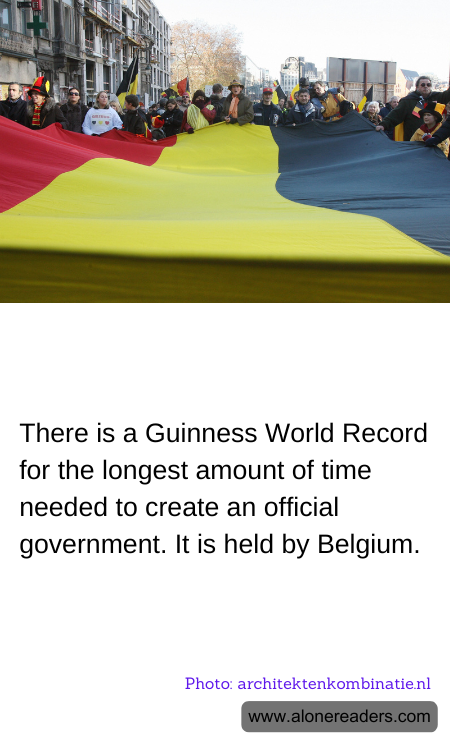
Belgium famously holds the Guinness World Record for the longest time taken to form an official government, a record which highlights the complex political landscape of the country. After the general election held on June 13, 2010, Belgium found itself embroiled in political deadlock, unable to form an official government for a staggering 589 days. This period surpassed the previous record held by Iraq, which took 289 days to form a government after its general elections in December 2005.
The Belgian situation stemmed from deep-rooted linguistic and regional divisions, primarily between the Flemish-speaking north and the French-speaking south. The political landscape in Belgium is fragmented, with a multitude of parties that often align more strongly on linguistic lines than ideological ones. These divisions make coalition-building an extraordinarily complex task. The prolonged impasse in 2010-2011 was characterized by intense negotiations and failed attempts at forming a coalition that could command a majority in the federal parliament.
The deadlock ended when a six-party coalition was finally agreed upon, led by Socialist Elio Di Rupo who became Prime Minister on December 6, 2011. This government formation set a new world record, underscoring the unique challenges of governance in a nation deeply divided by language and culture. The Belgian case serves as an example of how cultural and linguistic diversity can impact political processes and the formation of government policies in a parliamentary democracy. The record not only highlights the intricacies of Belgian politics but also serves as a reflection of the broader issues of governance and coalition-building in divided societies.