More About This Card
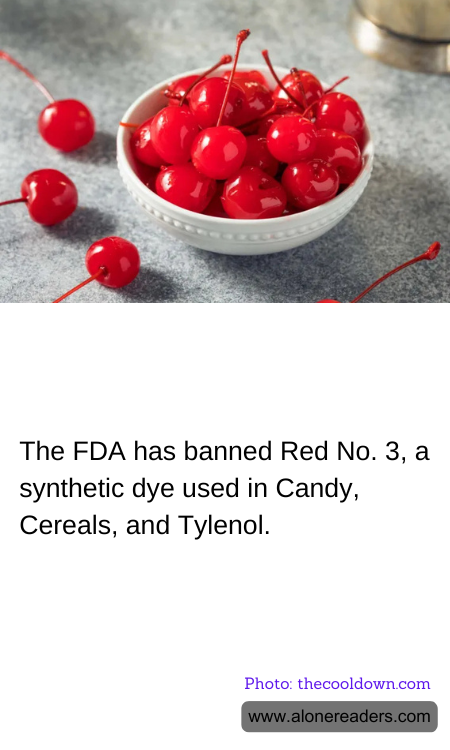
The FDA's decision to ban Red No. 3 marks a significant shift in food and drug safety regulations, affecting a range of products from candies and cereals to medications like Tylenol. Red No. 3, known chemically as erythrosine, has been under scrutiny for several years due to concerns about its potential health risks. Studies have suggested that high doses of this synthetic dye could lead to an increased risk of cancer in animals, which has raised alarms about its safety for human consumption.
This ban resonates widely across the food and pharmaceutical industries, prompting companies to reformulate products that once relied on Red No. 3 for their appealing visual red tint. The immediate impact is on consumer goods, particularly those targeted towards children, such as sugary cereals and various candies, where visual appeal is a significant component of marketability.
The transition away from Red No. 3 could lead to both opportunities and challenges within the industry. Companies may now explore the use of natural alternatives like beet juice or paprika, which, although potentially more costly, carry the advantage of being perceived as healthier options by consumers. This shift aligns with growing consumer trends favoring products with more natural ingredients and fewer artificial additives.
From a regulatory standpoint, the FDA's action highlights the agency's ongoing commitment to public health and its adaptability to new scientific evidence. It also sets a precedent for future regulatory considerations of food additives, indicating a possible pattern toward stricter oversight in the food and drug industries. The banning of Red No. 3 will likely ignite discussions among stakeholders about the procedures for approving and reassessing the safety of food additives and medicines in the United States.
Consumers' response to the ban may vary, with some applauding the FDA for its precautionary steps towards health safety, while others could experience dissatisfaction due to changes in the taste and appearance of popular products. Nonetheless, this regulatory change underscores the vital role of continuous scientific research and evaluation in guiding public health policies and protecting consumer well-being.