More About This Card
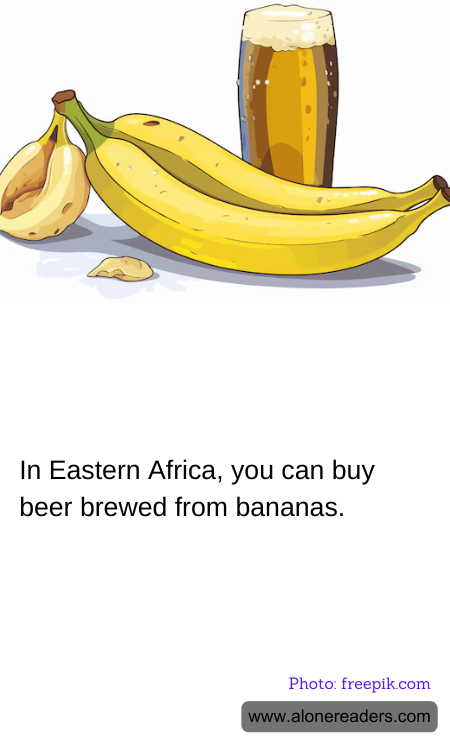
In Eastern Africa, particularly in countries like Uganda, Tanzania, and Burundi, there exists a unique tradition of brewing beer from bananas. This traditional beverage, known by various names such as "urwagwa" in Rwanda and "mbege" in Tanzania, is deeply embedded in the local cultures. The brewing process showcases an innovative use of the abundant banana crop prevalent in the region, highlighting a facet of agricultural sustainability and cultural identity.
Banana beer is typically made from ripe bananas, which are gathered and peeled before being crushed to extract the juice. The juice is then mixed with a source of fermentation, often a special grass or sorghum flour, which acts as a fermenting agent to initiate the process. This mixture is then left to ferment for several days. The resulting beer varies in flavor, color, and alcohol content, depending on the specific recipe and techniques used, which can vary by region and even by individual brewer.
The significance of banana beer extends beyond mere refreshment. It is often a drink associated with important social rituals including weddings, funerals, and community gatherings, playing a vital role in binding the social fabric together. In many communities, brewing and consuming banana beer is a communal activity, where the preparation process and the act of drinking are imbued with social and cultural meanings.
Despite its traditional roots, banana beer is facing modernization challenges. Increased commercialization has led to the production of bottled banana beer, which strives to maintain the traditional flavors while complying with modern health and safety standards. This shift has opened up local traditions to global markets but has also raised concerns about the preservation of the original brewing methods and the impact of commercialization on the cultural significance of the drink.
Moreover, banana beer is being looked at through new lenses in the context of sustainable practices and economic empowerment. Its production provides a use for surplus bananas, thus reducing waste, and offers a source of income for local communities, particularly in rural areas. As such, banana beer not only represents a cherished cultural tradition but also plays a significant role in the local economies of East African countries.