More About This Card
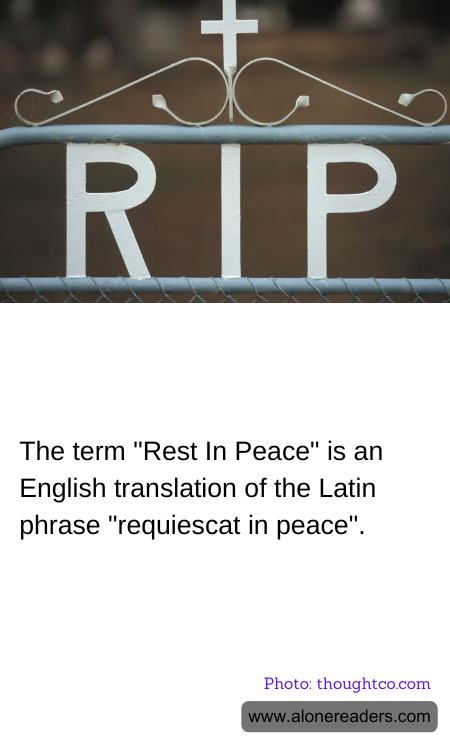
The phrase "Rest in Peace" is commonly used to express wishes for eternal peace for someone who has died. This expression is traditionally associated with Christian practices, especially evident in epitaphs on tombstones. Its origin is indeed a translation from the Latin phrase "Requiescat in pace" which means "may he/she rest in peace."
This phrase is deeply rooted in Christian funeral rites, where it reflects the belief in the peaceful repose of the soul in the afterlife. It encapsulates a prayer or a hope that the deceased's soul finds peace and tranquility in the life beyond. While it has strong religious connotations, "Rest in Peace" has transcended its liturgical origins and is widely used across secular contexts as well.
Over time, it has become a common epitaph, symbolizing respect and well wishes for the departed, irrespective of the religious beliefs of the deceased or those who mourn them. This universal appeal is likely due to its comforting and respectful connotation, offering solace and acknowledgment of loss.
In today's digital age, the acronym "RIP" is commonly seen on social media when mentioning someone's death. Although it originated from a solemn and respectful wish, the use of the phrase in digital communications sometimes sparks debate about the appropriateness and sincerity behind the condensed expression of condolence.
Overall, "Rest in Peace" endures as a poignant reminder of our shared human experience with death and the universal desire for peace that transcends the boundary between life and afterlife. It serves not only as a farewell to the deceased but also as a marker of communal respect and a shared hope for eternal peace amidst the finality of death.