More About This Card
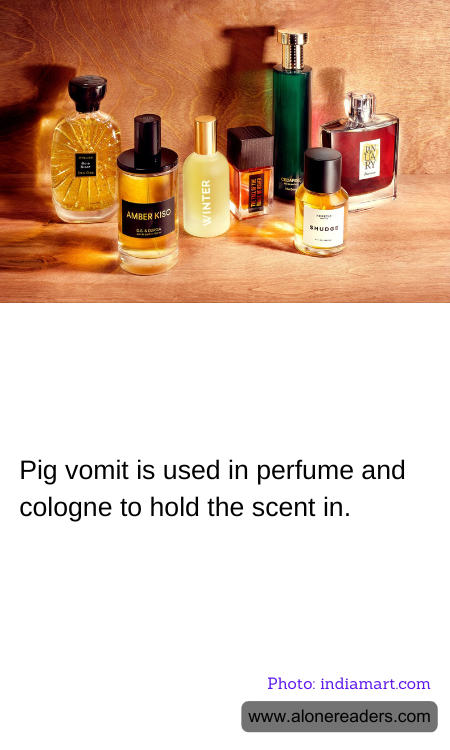
While it might sound bizarre, certain animal products are indeed used in the production of perfumes, one of which includes a substance known as ambergris. Ambergris is often mistakenly thought to be pig vomit, but it actually comes from sperm whales. This gray, waxy substance is produced in the digestive system of sperm whales and was historically believed to be vomit, but is now understood to be more typically passed as fecal matter.
Ambergris serves a very particular purpose in perfumery. Due to its unique chemical properties, it works as an excellent fixative that helps fragrances last longer on the skin. When fresh, ambergris has a marine, fecal odor, but after a prolonged period of floating on the ocean and photodegradation by the sun, it develops a sweet, earthy scent once prized in high-end fragrance formulations.
The rarity and peculiar origin of ambergris contribute to its mystique and value. Finding ambergris is mostly a matter of chance, as it involves locating lumps of this substance floating in the sea or washed up on coastlines. Consequently, ambergris can fetch a high price, leading perfumers to typically reserve this ingredient for more luxurious scents.
Due to ethical concerns and restrictions on hunting and harming sperm whales—a species listed as vulnerable—many modern perfumers have turned to synthetic alternatives that mimic the effect of ambergris. These synthetic fixatives are both cruelty-free and more readily available, offering similar longevity and stability to fragrances without the ethical and legal issues.
Thus, while it's a common myth that pig vomit is used in perfumes, the truth is slightly less off-putting and revolves around the complex and fascinating role of ambergris in the age-old art of fragrance making. This underscores the intriguing connections between nature and the craft of perfume production, where even the most unlikely materials can play a crucial role.