More About This Card
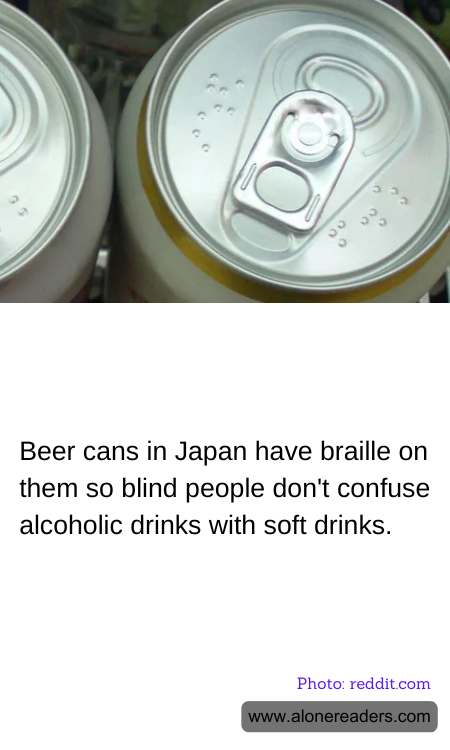
In Japan, a notable feature of many beer cans is the inclusion of braille on their labels, a thoughtful and inclusive design element intended to assist visually impaired individuals. This addition helps prevent blind people from confusing alcoholic beverages with non-alcoholic ones such as soft drinks. This initiative is part of a broader approach in Japan toward inclusive packaging, which aims to be considerate of the needs of all consumers, including those with disabilities.
The practice underscores Japan’s commitment to accessibility and consumer safety, ensuring that individuals who are blind or have low vision can more independently navigate their choices in everyday products. Braille on beverage cans typically includes simple indications such as "alcohol" or specific beverage types, allowing individuals to make informed decisions about what they are purchasing and consuming.
This detail in product labeling reflects a wider societal awareness and respect for diversity and inclusion, which is mirrored in various other aspects of Japanese public life, such as transportation and public building accessibility. The implementation of braille labels on beer cans and other products represents a small but significant step towards greater inclusivity, helping to ensure that the visually impaired community does not feel excluded from the simple pleasures and conveniences that many often take for granted.
Moreover, it sets a commendable example for other markets around the world, demonstrating how relatively minor adjustments to product packaging can make a significant impact on the quality of life for individuals with disabilities. It encourages other countries and companies to consider how they too can make everyday products more accessible to everyone, regardless of their physical capabilities.