More About This Card
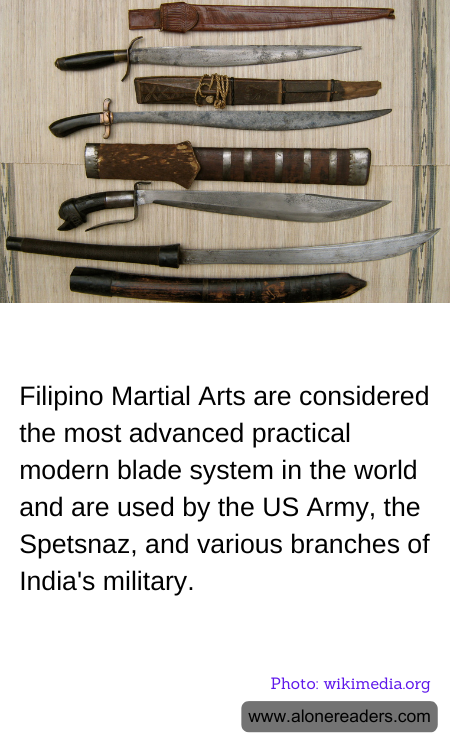
Filipino Martial Arts (FMA), also known as Arnis, Eskrima, or Kali, have gained a remarkable reputation for their effectiveness and practicality, particularly in blade training. This martial arts system, deeply ingrained in Filipino culture, emphasizes weapon-based fighting which includes sticks, knives, and other bladed weapons, making it distinctive among global martial arts traditions.
One of the key aspects of FMA is its focus on speed, agility, and the strategic use of angles. Practitioners are trained to move quickly and efficiently to control and neutralize their opponents through a wide array of offensive and defensive maneuvers. This emphasis on realistic, adaptable combat scenarios enables practitioners to handle various types of encounters, making it a versatile and effective form of self-defense.
The practicality and effectiveness of FMA have not gone unnoticed by military and law enforcement agencies worldwide. It is employed by the US Army, with integrated techniques that enhance close-combat tactics. Members of the US Army are taught to adapt FMA techniques to improve their situational awareness, reflexes, and proficiency with both improvised and traditional weapons.
Similarly, the Spetsnaz, Russia’s elite military forces, utilize Filipino Martial Arts for their hand-to-hand combat training. The adaptability and effectiveness in various combat situations make FMA a suitable choice for the Spetsnaz, helping them prepare for missions that might involve close quarter battles and the need for quick, decisive action.
Moreover, various branches of India's military have also incorporated Filipino Martial Arts into their combat training systems. The integration of these techniques showcases the global recognition of FMA's strategic value in enhancing the combat skills of military personnel, emphasizing not only physical prowess but also cognitive tactical planning.
The growing adoption of Filipino Martial Arts by these elite combat forces highlights its status as one of the most advanced practical modern blade systems in the world. By focusing on real-world application and adaptability, FMA continues to be a key skillset for many seeking comprehensive combat training. This global respect underscores not only its martial efficacy but also its rich cultural heritage, which resonates with practitioners from various backgrounds, seeking to enhance their martial capabilities and self-defense skills.