More About This Card
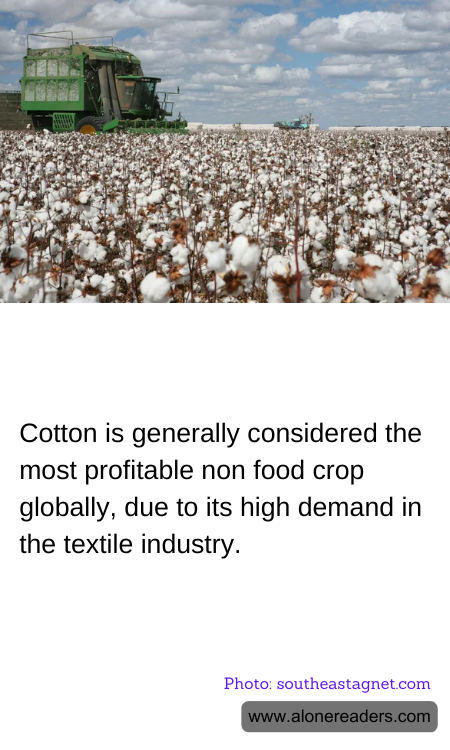
Cotton, often referred to as "white gold," holds a significant position in the global agricultural economy, primarily due to its extensive use in the textile industry. As the backbone of the clothing and fabric industries, cotton's widespread appeal and utility make it one of the most valuable non-food crops worldwide. The plant's fibers are prized for their versatility, softness, and breathability, making cotton fabrics a staple in wardrobes across various climates and cultures.
The profitability of cotton can be attributed to its enormous demand. The fashion industry, which continuously requires new and abundant supplies of cotton to produce everything from basic t-shirts to high fashion garments, drives this demand. However, cotton's applications extend beyond clothing; it is also used in the manufacture of fishing nets, coffee filters, and even in bookbinding.
The economic impact of cotton is profound, especially in countries like the United States, India, China, and Brazil, which are among the top producers of this crop. In these regions, cotton cultivation plays a crucial role in the livelihoods of millions of farmers, contributing significantly to their economies. The cultivation of cotton involves numerous stages including planting, harvesting, and processing, each of which provides jobs and supports ancillary industries such as transportation, ginning, and textile manufacturing.
Despite its economic benefits, cotton production is not without its challenges. The crop requires substantial amounts of water and is often grown in areas facing water scarcity issues. Moreover, the heavy use of pesticides in cotton farming poses environmental risks, affecting biodiversity and the health of farm workers. In response to these challenges, there has been a growing movement towards sustainable cotton farming practices. These include the use of genetically modified seeds to reduce the need for pesticides, and the promotion of organic cotton that eschews synthetic chemicals altogether.
The global trade dynamics of cotton also reflect a complex interplay of market forces and policy decisions. Fluctuations in cotton prices can have far-reaching consequences, influencing everything from the economic viability of farms in developing nations to retail prices in consumer markets. Trade policies and international agreements play pivotal roles in shaping the global cotton market, affecting pricing and competitive dynamics on a worldwide scale.
In conclusion, cotton's status as a highly profitable non-food crop is cemented by its critical role in the global textile industry and its broader economic influence. Nonetheless, the future of cotton production hinges on balancing economic interests with environmental sustainability, ensuring that this vital crop continues to be both profitable and ecologically responsible.