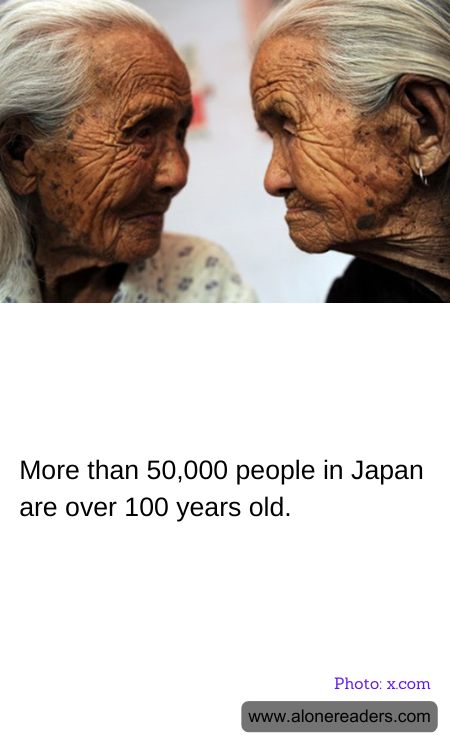
Japan is notably recognized for its significant number of centenarians, individuals who have lived to or beyond the age of 100 years. As of recent statistics, the nation boasts over 50,000 people who have achieved this milestone, illustrating an impressive testament to its healthcare system, lifestyle, diet, and societal respect for the elderly. This remarkable figure is reflective of broader demographic trends within Japan, where the population is aging at a notable rate compared to other countries.
Several factors contribute to this high life expectancy. Foremost among them is the Japanese diet, which is rich in grains, fish, and vegetables, and generally low in fat. This diet is credited not only with longevity but also with low rates of heart disease and other age-related illnesses. Moreover, the Japanese healthcare system is highly accessible and provides comprehensive coverage, ensuring that all citizens receive appropriate and timely medical care.
Cultural attitudes towards the elderly also play a critical role. In Japan, older adults are often respected for their wisdom and experience, contributing to their feelings of inclusion and importance in society. This can lead to better mental health and a more active social life, which are important components of a longer and healthier life.
Furthermore, the social infrastructure in Japan supports active aging through various community centers and programs designed to keep older adults physically active and socially engaged. Urban planning and transportation are also elder-friendly, making it easier for the elderly to maintain independence and mobility.
As Japan continues to grapple with the challenges and opportunities presented by its aging population, the experiences and strategies utilized here provide valuable lessons for other nations facing similar demographic shifts. The rise in the number of centenarians is both a cause for celebration and a catalyst for ongoing policy innovation and cultural adaptation.
