More About This Card
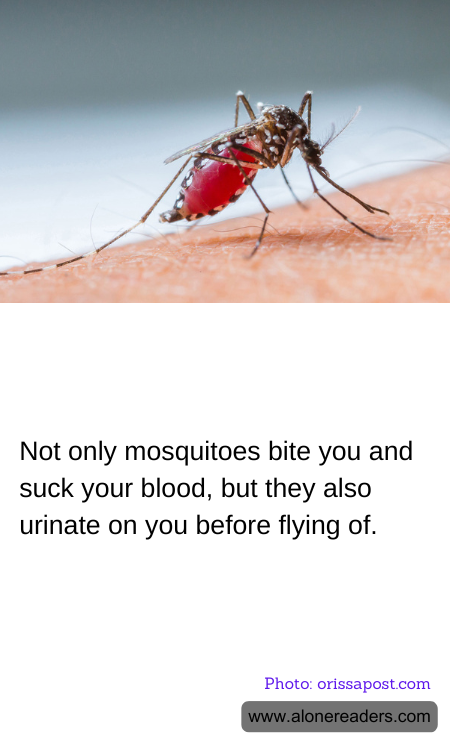
Mosquitoes are infamous for their itchy bites and the deadly diseases they can carry, such as malaria, dengue, and Zika virus. But beyond just sucking blood, these pests have another less known, but equally unappealing habit: they urinate on their host while feeding. Understanding this behavior can shed light on the biology of mosquitoes and their interaction with hosts.
When a mosquito pierces the skin with its proboscis to draw blood, it's not just a one-way transaction of taking blood. The process of feeding also involves the mosquito managing the incoming volume of fluid. As they ingest blood, mosquitoes must quickly process and expel excess water to concentrate the nutrients from the blood and to make room in their abdomens for more blood. This rapid excretion translates to urinating on their host's skin, sometimes even before they finish feeding.
The mechanism serves an important purpose in the mosquito’s feeding process, as concentrating the blood allows them to maximize their intake of proteins and other nutrients which are crucial for their egg production. This excretion is efficient and happens almost simultaneously as they feed. The whole process is not just a casual inconvenience to the host but a critical part of the mosquito’s survival strategy, ensuring they get the most out of their risky venture onto a host.
However, this aspect of mosquito behavior also increases the risk of pathogen transmission to the hosts. When a mosquito urinates on the host, it can potentially wash pathogens from the feeding site, spreading diseases more effectively. This makes mosquitoes not just annoying but a significant vector for disease transmission, which poses major public health challenges in many parts of the world.
Thus, while it might add an "ick" factor to the already dreaded mosquito bite, the urination is a calculated and essential part of a mosquito's feeding process. This detail highlights the complex biological processes that underlie what might seem like simple pest behavior and underscores the importance of effective mosquito control and disease prevention strategies.