More About This Card
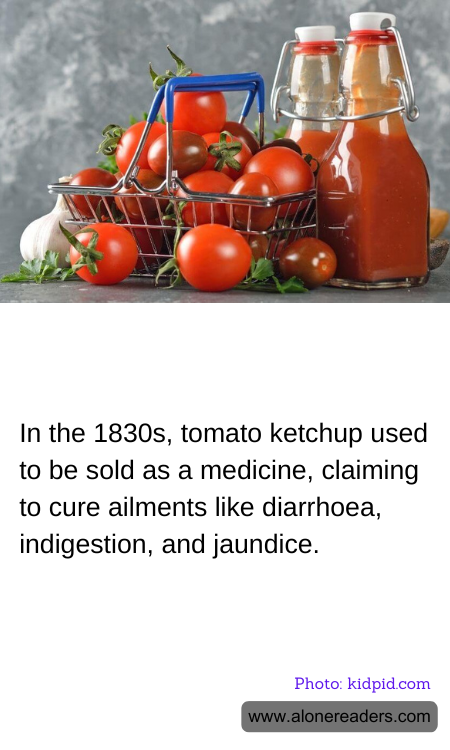
In the 1830s, tomato ketchup underwent a truly interesting transformation in its role within society—from a simple condiment to a medicinal product purported to treat a variety of ailments. During this period, ketchup was not just a popular addition to foods but believed to have medicinal properties capable of curing diarrhea, indigestion, and jaundice. This therapeutic perspective originated with Dr. John Cook Bennett, who was a professor at Willoughby University in Ohio. Bennett asserted that tomatoes were not only delicious but also packed with tremendous health benefits including, notably, antidiarrheal properties.
Dr. Bennett’s enthusiasm led him to publish recipes for tomato ketchup which he then converted into a form of medicine. He went on to compound this ketchup into pill form, making it an early example of a medical supplement. The idea caught on quickly, and soon, tomato pills were being produced and marketed by several entrepreneurs. One of the most famous purveyors was Archibald Miles, who produced Dr. Miles’ Compound Extract of Tomato, claiming it could treat not just the ailments mentioned, but also serve as a general cure-all.
Despite its initial popularity, skepticism eventually outpaced enthusiasm. By the latter part of the 19th century, the medical claims of tomato ketchup began to be questioned by the medical community and the public alike. Eventually, these claims were discarded as unfounded, and ketchup reassumed its role as a beloved condiment. This episode in the history of ketchup highlights a fascinating moment where culinary and medical histories intersect, demonstrating the sometimes blurry line between food and medicine and reflecting the historical contexts that can influence dietary practices. Today, while ketchup is universally viewed as a condiment, its brief stint as a 'medicinal product’ remains an intriguing anecdote in its storied history.