More About This Card
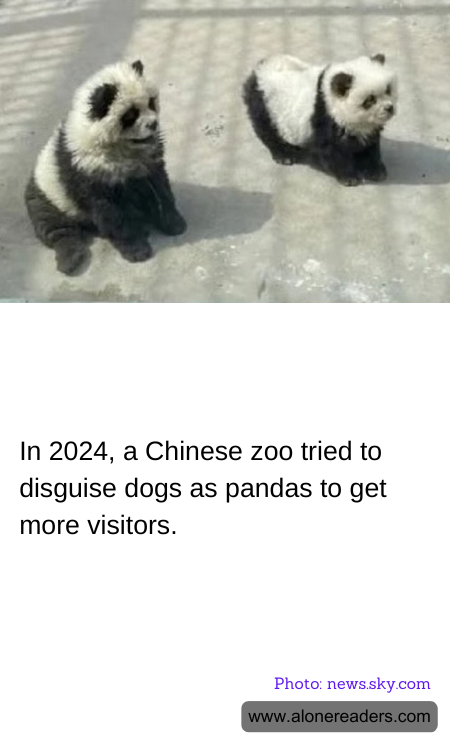
In an unusual attempt to boost visitor numbers, a Chinese zoo faced both ridicule and criticism for disguising large dogs as pandas. The zoo, situated outside of Beijing, had painted two Chow Chow dogs in black and white, mimicking the iconic appearance of a panda. Visitors were initially amused and excited by the prospect of seeing pandas up close. However, the deception was soon uncovered when some guests noticed details that didn’t quite match up to a panda’s typical behavior and anatomy, such as the shape of the ears and the tail.
This incident sparked a widespread debate on animal rights and the ethical responsibilities of zoological parks. Critics argued that such acts of deception are not only misleading but also potentially harmful to the animals involved. Dressing up dogs to resemble other species could cause confusion and stress for the animals. Furthermore, it could mislead visitors about the nature and behavior of the species being impersonated, thereby spreading misinformation.
Animal rights organizations have called for stricter regulations and oversight of zoos and animal parks, emphasizing the importance of welfare and education in these institutions. They argue that zoos have a duty to educate the public about wildlife and conservation in a truthful and respectful manner, without resorting to gimmicks that could ultimately harm their credibility and the animals they claim to protect.
The zoo in question issued a public apology following the backlash, acknowledging that their attempt to increase attendance was misguided. They promised to cease the deceptive practice and committed to improving their educational programs to focus on real animal behaviors and conservation issues.
This incident highlights the ongoing challenges and responsibilities zoos face in balancing attraction and education. It also serves as a reminder of the ethical considerations necessary when handling and showcasing animals to the public. As consumers, it is vital to demand transparency and ethical practices from such institutions, ensuring that entertainment never compromises the well-being of animals.