More About This Card
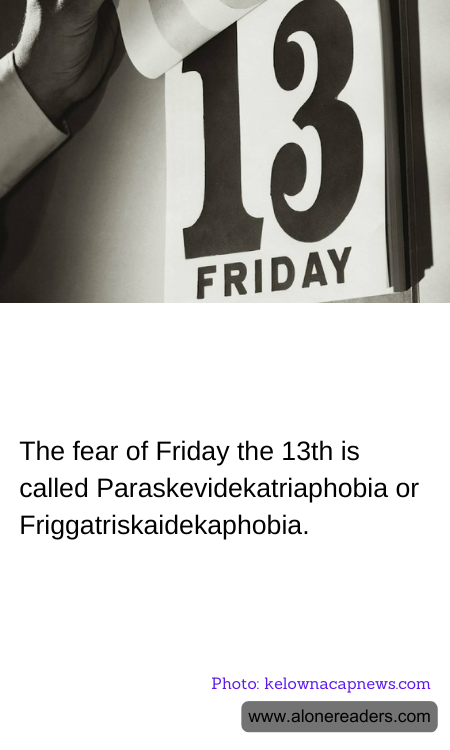
The fear of Friday the 13th is known by two daunting names: Paraskevidekatriaphobia and Friggatriskaidekaphobia. This fear combines triskaidekaphobia, the fear of the number 13, with Friday, which is considered an unlucky day in many cultures. The term Paraskevidekatriaphobia was coined from the Greek words Paraskeví (meaning Friday) and dekatreís (meaning thirteen), with the addition of phobia to denote fear. Friggatriskaidekaphobia derives from Frigga, the name of the Norse goddess for whom Friday is named, and again the ubiquitous 'phobia' suffix representing fear.
This phobia isn’t just a quirky twist of fate or a peculiar coincidence; it’s a reflection of centuries of folklore and ancient beliefs. In many cultures, both the number 13 and Friday have a long-standing history of bad luck. For instance, Judas, the apostle who betrayed Jesus, was the 13th guest to the Last Supper, and Jesus was crucified on a Friday. In Norse mythology, a fateful dinner at Valhalla was disastrously attended by 13 gods, and in that story as well, Loki – the 13th guest – brought upon tragedy.
Psychologically, the impact on people who suffer from Paraskevidekatriaphobia or Friggatriskaidekaphobia can range from mild anxiety to severe panic and fear. Such individuals might avoid traveling, skip appointments, or even refuse to go to work or school on Friday the 13th. The economic impact is quite palpable too – studies estimate that in the U.S., around $800 to $900 million are lost in business on this day because people will not shop or conduct their business as usual.
Countering such fears isn’t easy because they often stem from deeply ingrained cultural superstitions and personal experiences. However, cognitive behavioral therapy and exposure therapy are common methods used to help individuals manage and potentially overcome these fears. Also, for many, learning more about the origins of why Friday the 13th is considered unlucky can provide comfort and diminish the fear.
Ultimately, while these phobias are particularly widespread, affecting a significant portion of the population to some extent, understanding their cultural and psychological roots can help demystify the day and reduce anxiety. This encourages more rational responses to what is essentially a normal day that just happens to combine an unfortunate number with an ominous weekday.