More About This Card
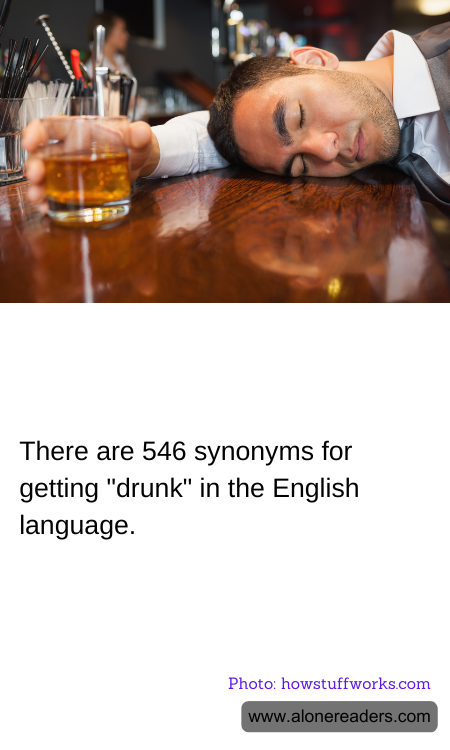
The English language, with its rich and diverse vocabulary, boasts an astonishing 546 synonyms for the term "drunk." This vast assortment reflects not just the language's extensive history and adaptability, but also cultural attitudes toward intoxication and social drinking. The terms range from playful and humorous to outright derogatory, illustrating the various contexts and nuances associated with alcohol consumption.
Historically, the evolution of these synonyms has been influenced by social changes, literary expressions, and the popular vernacular of different eras. For instance, words like "inebriated," "intoxicated," and "tipsy" are often used in more formal or polite conversation, whereas slang terms such as "hammered," "wasted," or "plastered" appear in more casual contexts. Literary contributions have also enriched this collection; Shakespeare himself was known for creatively playing with language, contributing terms like "fuddled" to the English vocabulary.
The sheer number of synonyms also highlights the creativity with which speakers of English approach the topic of drinking. This creativity can be seen in colorful and evocative expressions like "three sheets to the wind," a nautical term describing the state of a ship's sails that could be likened to a staggeringly drunk person. Each term carries its own connotation and flavor, providing speakers with a rich palette for expression depending on the tone and mood they wish to convey.
These synonyms also serve a social function, allowing individuals to discuss drinking and its effects in ways that can either minimize the perceived seriousness of the intoxication or, alternatively, underscore its folly and danger. For therapists, understanding the various terms can provide insights into how individuals perceive their own or others' drinking behaviors, which can be crucial in contexts like counseling or medical assessments.
Ultimately, the existence of so many synonyms for being drunk is not just a linguistic curiosity but a reflection of the complex and often ambivalent relationship societies have with alcohol. It underscores the versatility of the English language and its ability to capture the subtleties of human experience with remarkable precision and variation.