More About This Card
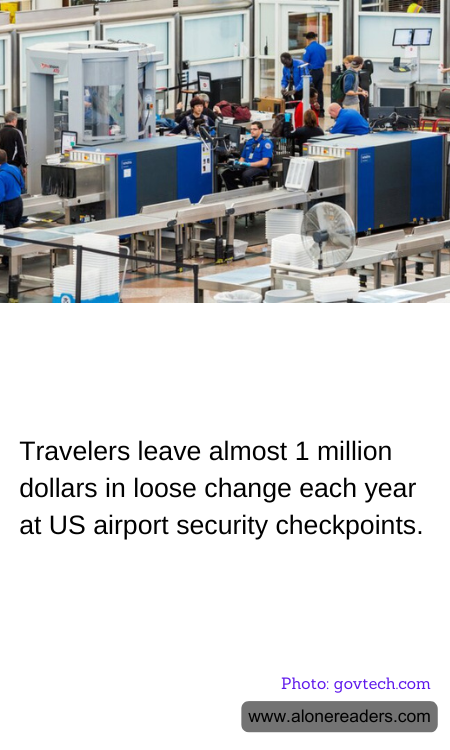
Every year, travelers going through airport security in the United States leave behind almost $1 million in loose change. This phenomenon occurs when passengers empty their pockets for x-ray screening and forget to collect all of their belongings afterward. Airports are bustling hubs of activity where people often rush and experience stress, leading to these small but collectively significant losses.
The Transportation Security Administration (TSA) reports that the amount of change left behind has been increasing annually. In 2019, for instance, more than $926,000 in unclaimed coins and bills were collected from security bins and checkpoints across the country. The busiest airports, such as those in New York, Los Angeles, and Atlanta, see the largest amounts of forgotten change.
What happens to this mountain of miscellaneous currency? TSA makes good use of it. According to federal law, the TSA is allowed to spend the money on security operations. In past years, these funds have been allocated towards improving checkpoint infrastructure, developing advanced security technology, and investing in better signage and communication efforts to guide passengers more effectively through security processes.
While losing a few cents or even a couple of dollars at the airport might not be significant to an individual traveler, the accumulated total can have a real impact on the quality of airport security. Travelers can avoid losing out by remaining vigilant and double-checking security bins before leaving the checkpoint area. Additionally, some airports have begun installing reminder signs at security exits and even offering "reclaim bins" where travelers can retrieve forgotten items more easily.
This unique accumulation of loose change highlights a small but intriguing aspect of human behavior in high-stress environments like airports. It also serves as a reminder of how minor oversights, when aggregated, can turn into substantial sums of money that can then be redirected towards enhancing safety and efficiency in these crucial public spaces.