More About This Card
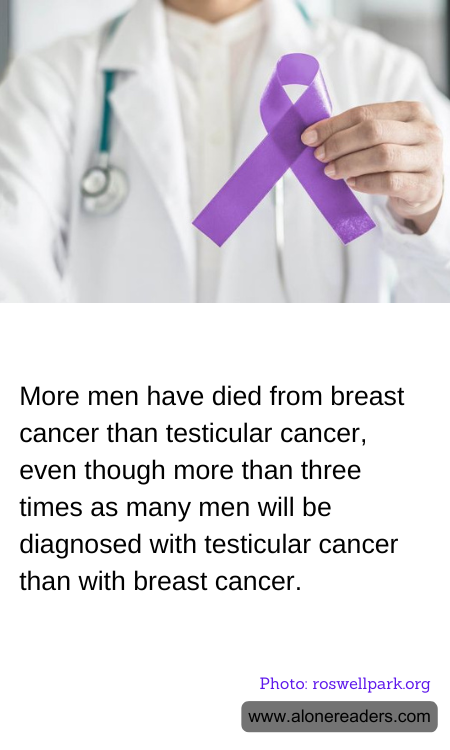
While breast cancer is often considered a disease primarily affecting women, it also occurs in men, though much less frequently. Despite its rarity in the male population, breast cancer in men can be particularly dangerous, partly because awareness is less widespread, resulting in delays in diagnosis and treatment. Interestingly, statistics indicate that although breast cancer in men is less common compared to testicular cancer, it has a higher mortality rate among men than testicular cancer.
The reasons behind these surprising statistics include the lack of screening practices for breast cancer in men and the general unawareness of the disease, which often leads to later-stage diagnosis. By the time many men are diagnosed with breast cancer, the disease may have already advanced to a more lethal stage, making treatment more difficult and less likely to succeed. In contrast, testicular cancer tends to be detected earlier, as the symptoms (such as lumps or swelling in the testicles) are more likely to be noticed sooner, and treatments are highly effective.
Moreover, the biology of breast cancer in men may differ from that in women, and because men have less breast tissue than women, the cancer can spread more rapidly to surrounding tissues. This can complicate treatment efforts and worsen the prognosis. The general lack of specific research and tailored treatment protocols for men with breast cancer further complicates the issue, as much of the knowledge and treatment guidelines are developed from studies primarily focused on women.
Given these challenges, raising awareness about male breast cancer is crucial. Men, like women, should be educated on the potential symptoms of breast cancer and encouraged to seek medical attention if they detect unusual changes in their chest area. Advancing research specifically aimed at understanding and treating breast cancer in men is also essential to improve outcomes.
Ultimately, while more men are diagnosed with testicular cancer, the higher mortality rate of breast cancer in men underscores the importance of awareness, early detection, and tailored medical care. By addressing these key areas, the medical community can better support men affected by this less common, yet potentially more deadly, form of cancer.