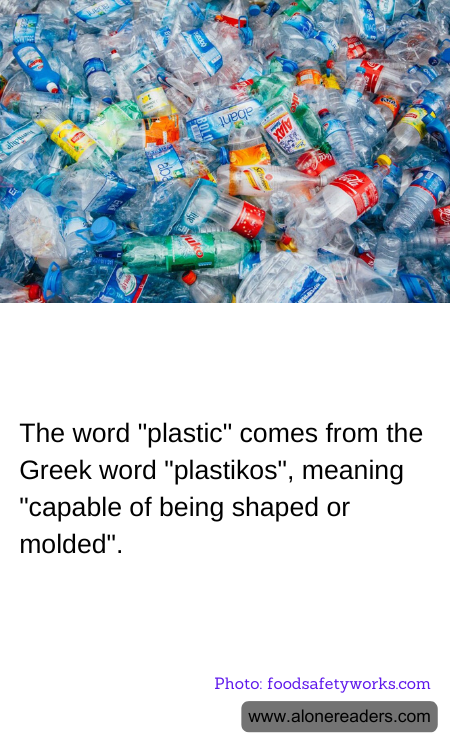
The origin of the word "plastic" sheds much light on its functionality and widespread use in various industries today. Stemming from the Greek word "plastikos," which means "capable of being shaped or molded," plastic refers to a wide range of synthetic or semi-synthetic materials that are malleable and can be molded into solid objects of diverse shapes. This inherent adaptability makes plastics extraordinarily versatile and indispensable in modern manufacturing.
Plastics are composed of polymers, long chains of molecules that give plastic its flexibility and durability. Depending on their chemical composition, plastics can be engineered to vary in hardness, density, and heat-resilience, making them suitable for a multitude of applications, from lightweight packaging materials like polyethylene and PET to sturdier constructions in PVC and polystyrene used in everything from household piping to disposable cutlery.
Moreover, plastics can be produced with relative ease and cost-efficiency, which explains their ubiquitous presence in today's consumer products. Despite their practical advantages, the environmental impact of widespread plastic use has become increasingly apparent, as many types of plastics do not biodegrade and can persist in natural environments for centuries. This has spurred significant research into bio-based plastics and improved recycling processes, which attempt to reconcile plastics' practical uses with a sustainable approach to environmental stewardship.
Thus, from their roots in ancient Greek language to contemporary discussions surrounding sustainability, the story of plastics is not only about material science but also a reflection of evolving societal values and technological advancements.
