More About This Card
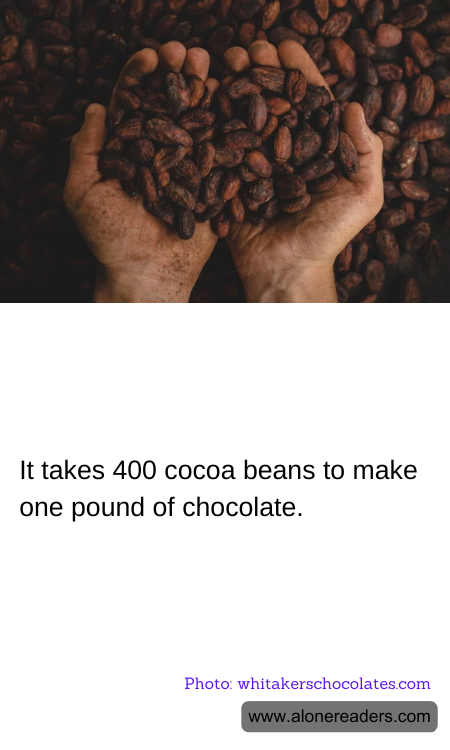
Chocolate, one of the world's favorite treats, has a surprisingly labor-intensive manufacturing process that starts with the humble cocoa bean. To produce just one pound of chocolate, it requires approximately 400 individual cocoa beans. This statistic highlights not only how resource-intensive chocolate production can be, but also sheds light on the value and importance of each cocoa bean used in the process.
The journey of chocolate begins at the source with the cacao tree, which predominantly grows in the equatorial regions of the world, including West Africa, South America, and parts of Asia. Each cacao pod, harvested from these trees, contains about 20 to 50 beans but can vary significantly. The beans are then fermented, dried, and transported to manufacturing facilities, where they undergo several more processes. These include roasting, which enhances flavor, and grinding to produce cocoa liquor. Further refining with additional ingredients like sugar, milk, and cocoa butter results in the various types of chocolate known globally, from dark to milk to white variants.
This extensive utilization of beans to create just a pound of chocolate mirrors the intricate balance of supply chain and labor that sustains the chocolate industry. Farmers, often working on small-scale farms, are the backbone of cocoa bean production, yet they face numerous challenges such as fluctuating prices, climate change, and economic pressures. It's crucial to acknowledge these efforts and the impact of consumption habits on these producers, emphasizing the need for sustainable practices in the cocoa industry.
The knowledge of how many cocoa beans are used in making chocolate illuminates not only the physical process but also invites a deeper appreciation and responsibility among consumers for every chocolate bar enjoyed. Ethical sourcing and support for sustainable farming practices are vital to ensuring the longevity and health of this industry which millions of people, from growers to consumers, rely on for their livelihood and enjoyment. Such insights often encourage better choices, like opting for chocolate products certified for fair trade practices, which support the fair treatment and proper compensation of cocoa farmers. By understanding and acting on these connections, chocolate lovers can enjoy their treats while contributing positively to the environment and global community.